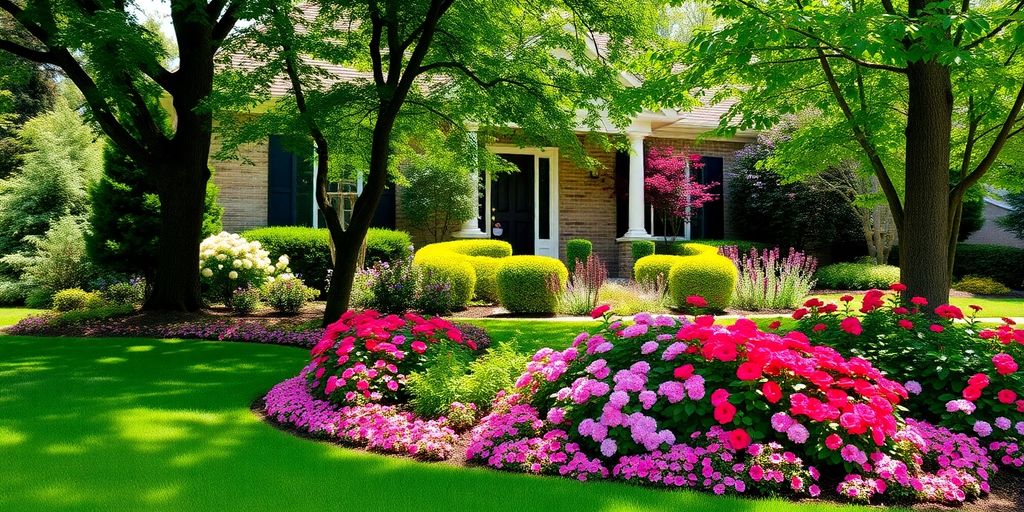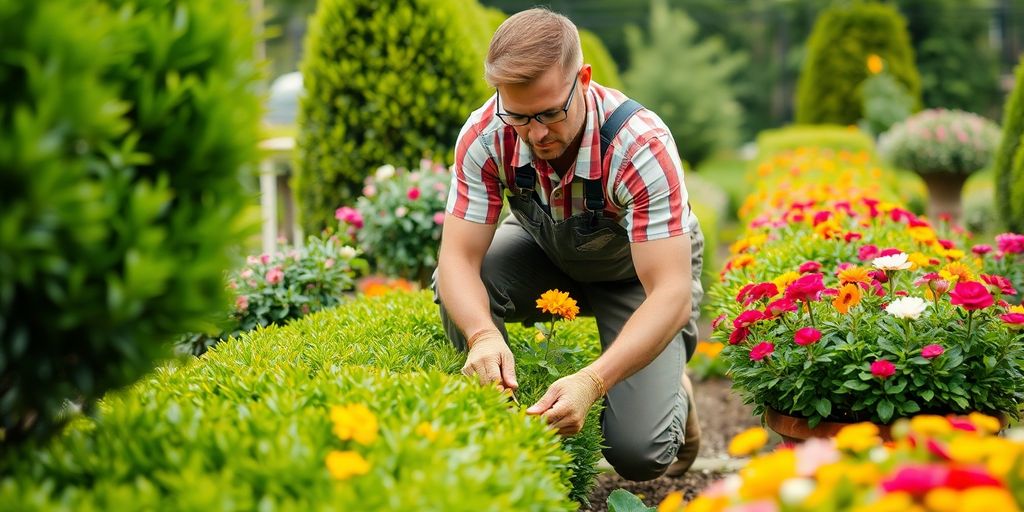
So, you’re wondering, what do landscapers do? It’s a pretty big question, and honestly, their job involves way more than just mowing lawns. Think of them as artists and builders for your outdoor space. They take your yard from just dirt and grass to something really special, whether that’s a cozy garden spot or a place for big parties. They handle everything from picking the right plants that will actually grow well in your area to figuring out how to water them efficiently. It’s a whole process, from dreaming it up to making it a reality, and then keeping it looking good.
Key Takeaways
- Landscapers design and build outdoor spaces, combining plants, structures, and watering systems to make yards look good and work well.
- The process usually starts with a chat to understand your ideas and budget, then moves to creating detailed plans.
- They handle the actual building, install everything, and then do a final check with you to make sure you’re happy.
- Keeping your landscape looking its best involves regular tasks like lawn care, seasonal clean-ups, and checking irrigation systems.
- Landscapers also focus on using plants that fit your area and climate, and they often use eco-friendly methods to help the environment.
Understanding What Landscapers Do: The Design Process
So, you’re thinking about getting your yard spruced up, but you’re not quite sure where to start? That’s totally normal! Landscaping isn’t just about sticking some plants in the ground and hoping for the best. It’s a whole process, and the design part is where the magic really begins. Think of it like planning a big party – you wouldn’t just invite people over without a plan, right? Same idea here.
Initial Consultation and Site Analysis
First things first, your landscaper will want to chat with you and take a good look at your yard. This is where they get a feel for what you’re looking for and what you’re working with. They’ll check out things like sunlight, soil type, drainage, and any existing plants or structures. It’s all about understanding the lay of the land, literally. This initial look helps them figure out what will actually grow well and what’s even possible. They’ll also be asking you a bunch of questions to get a handle on your needs and how you plan to use the space. This is your chance to really explain your vision.
Developing Your Vision and Budget
Once they have a good grasp of your site and your ideas, the next step is to start putting those ideas onto paper, or at least into a clear plan. This involves talking about what you want your yard to look like and, just as importantly, what you’re willing to spend. They’ll help you figure out what’s realistic for your budget, suggesting different materials and plants that fit both your style and your wallet. It’s a back-and-forth conversation to make sure everyone’s on the same page before moving forward.
Creating Detailed Design Plans
After you’ve agreed on the general direction and budget, the landscaper will create detailed plans. These aren’t just rough sketches; they’re like blueprints for your yard. You’ll see exactly where paths will go, where patios will be built, and where each plant is supposed to be planted. These plans also include specific details about materials and construction methods. Having these detailed plans is super important because they serve as a roadmap for the actual building phase and help prevent misunderstandings down the line. It’s all about making sure the final result matches what you discussed and agreed upon during the design process.
Here’s a quick look at what goes into these plans:
- Layout: Where everything goes – patios, walkways, garden beds, etc.
- Planting Plan: Specific types of plants, their sizes, and where they’ll be placed.
- Material Specifications: Details on the types of stone, wood, or other materials to be used.
- Grading and Drainage: How water will flow on your property.
This detailed planning stage is what separates a good landscape job from a truly great one. It’s where the vision starts to take concrete shape, ensuring that the final outcome is both beautiful and functional for years to come.
Bringing Designs to Life: The Build Phase
Once the design is all set and you’ve given it the thumbs up, it’s time to actually build the landscape. This is where all those drawings and ideas start to take shape in your yard. It’s a pretty exciting phase, seeing your outdoor space transform.
Securing Contracts and Scheduling
Before any digging starts, there’s a bit of paperwork. You’ll sign a contract that lays out exactly what’s going to happen, the materials that will be used, and the total cost. This is also when the project gets put on the calendar. Your landscaper will work with you to figure out a start date that works, keeping in mind things like weather and permit approvals. It’s all about getting organized so the build phase runs smoothly.
Installation and Construction
This is the main event! The crew will come in and start bringing the design to life. They’ll handle everything from grading the land and building any hardscaping like patios or walkways, to planting trees, shrubs, and flowers. Depending on the project’s size and complexity, this could take anywhere from a few days to several weeks. It’s important to remember that unexpected things can pop up, like hitting a tricky rock formation or dealing with a stretch of bad weather, which might shift the timeline a bit.
Final Walkthrough and Project Handover
Once the construction is finished, you and your landscaper will walk through the entire project together. This is your chance to look over everything, make sure it matches the plan, and that you’re happy with the results. They’ll point out how to care for the new plants and any features you’ve had installed. They might also give you some tips on upkeep. It’s the final step before you can officially start enjoying your new landscape!
Essential Landscape Maintenance Tasks
Regular Lawn Care and Upkeep
Keeping your lawn looking its best is a big part of what a landscaper does. It’s not just about mowing, though that’s definitely a part of it. They’ll make sure the grass is cut to the right height for the season, which helps it stay healthy and resist weeds. Fertilizing is also key; using the right mix at the right times helps the grass grow strong and green. And don’t forget about watering – making sure the lawn gets enough moisture, but not too much, is important. Landscapers also keep an eye out for any signs of pests or diseases and deal with them before they become major problems. It’s all about consistent care to keep your grass looking lush and vibrant all year long.
Seasonal Clean-Up and Preparation
Your yard goes through changes with the seasons, and landscapers help manage that. In the spring, they’ll clear away all the dead leaves and debris that piled up over winter, making way for new growth. They’ll also prune back shrubs and trees to encourage healthy new branches and keep them looking tidy. As fall rolls around, it’s time for another clean-up, getting rid of fallen leaves and preparing plants for the colder months. This might involve adding mulch around the base of trees and shrubs to protect their roots or even wrapping more delicate plants to shield them from frost. It’s about getting the landscape ready for whatever the weather throws at it.
Irrigation System Checks and Maintenance
Watering your landscape properly is super important, and that’s where irrigation systems come in. Landscapers don’t just set them up; they also make sure they’re working correctly. This means checking for any leaks in the pipes or sprinklers that could be wasting water. They’ll also look for clogged sprinkler heads that aren’t watering evenly, leaving dry spots. Sometimes, parts can get damaged, so they’ll replace those too. Keeping the system in good shape means your plants get the water they need without wasting a drop, and it helps prevent bigger issues down the line. It’s a pretty vital part of keeping everything alive and healthy, especially during dry spells. You can find more details on specific maintenance tasks on this guide.
Proper maintenance is what separates a good-looking yard from a truly spectacular one. It’s the ongoing effort that keeps everything healthy, vibrant, and ready for you to enjoy.
Plant Selection and Placement Expertise
Choosing Native and Climate-Appropriate Plants
Picking the right plants is a big part of what makes a landscape look good and stay healthy. It’s not just about what looks pretty right now, but what will actually do well in your specific yard. Native plants are usually a great starting point because they’ve already adapted to the local weather and soil conditions. This means they generally need less watering, fertilizer, and fuss. Think about your area’s typical rainfall and temperature extremes. Using plants that are suited to your climate means less work for you and a healthier environment for the plants. It’s a win-win, really. You can find good resources to help you figure out what grows well in your region, which makes the whole process much easier. For instance, understanding your local USDA Plant Hardiness Zone is a good first step, but don’t forget about the little differences in your yard, like shady spots or areas that get a lot of sun. These are called microclimates, and they can really affect how plants grow. So, knowing your yard’s sun and shade patterns throughout the year is pretty important. We can help you figure out the best plants for your specific space, ensuring a thriving garden tailored to your unique environment. choose the right plants
Understanding Plant Growth Habits
When you’re planning out your garden, it’s super important to think about how big plants will get and what shape they’ll grow into. Fast growers might seem appealing because they fill in quickly, but they can also become a maintenance headache if they get too big too fast. You need to give them enough space so they don’t end up crowding each other or bumping into your house. A common mistake is planting things too close together, thinking it will look fuller sooner. But then, a few years down the line, you’ve got overgrown plants that are hard to manage. It’s better to space them out so that when they reach their full size, they’re just about touching their neighbors. This creates a nice, solid look without being too cramped. Also, remember to leave a little gap between plants and structures like walls or fences for air circulation and easier upkeep of both the plants and the building.
Creating Harmonious Color Schemes
Color is a huge part of making a landscape visually appealing. It’s not just about throwing a bunch of colorful flowers together; it’s about creating a mood and guiding the eye. Think about how different colors make you feel. Reds and yellows can be energetic, while blues and purples tend to be more calming. You can use color to highlight certain areas, like a bright flower bed near your entryway, or to create a sense of depth. Sometimes, using a limited color palette can actually be more impactful than using every color under the sun. It helps create a unified look. Consider the colors of your home’s exterior too, so the landscape complements it. Mixing in different shades and textures of green can also add a lot of interest without relying solely on flowers. It’s all about balance and creating a look that feels right for you and your home.
Paying attention to the details, like the colors and textures of plants, really makes a difference in the final look of your yard. It’s the little things that add up to a beautiful, well-put-together space.
Sustainable Landscaping Practices
Water Conservation Techniques
Saving water is a big deal for sustainable landscaping. We look at ways to use less water without making your plants sad. Think about drip irrigation, which sends water right to the plant roots, or maybe a rain barrel to catch water from your roof. We also consider how the land slopes to keep water where it’s needed, instead of letting it run off.
Utilizing Eco-Friendly Materials
When we build things like patios or paths, we try to use materials that are good for the planet. This could mean using recycled bricks, reclaimed wood, or local stone. It cuts down on waste and the energy it takes to make new stuff. We also think about things like permeable pavers, which let water soak into the ground instead of running off into storm drains.
Supporting Local Wildlife and Biodiversity
Making your yard a haven for local critters is part of sustainable landscaping. We pick plants that give food and shelter to birds, bees, and other helpful creatures. This means choosing native plants that our local wildlife already knows and loves. It helps keep the whole ecosystem healthy, from the soil to the sky.
Collaboration and Communication in Landscaping
When you’re working on a landscaping project, it’s super important that everyone’s on the same page. This means talking a lot with the people who hired you and the folks actually doing the work.
Client and Contractor Collaboration
Making sure you understand what the client wants, their budget, and their likes and dislikes is key. It’s like building a relationship, really. You want them to feel heard. At the same time, coordinating with the contractors means the design gets put into action smoothly and without delays. It’s all about teamwork to get the best results.
Regular Project Updates
Keeping everyone in the loop is a big part of the job. This means letting the client know how things are going, what’s been done, and if there are any surprises. Good communication prevents misunderstandings and keeps the project on track. It’s helpful to have a single person who’s the main contact, so the client knows who to ask questions. This helps build trust and makes the whole process feel less stressful for everyone involved. You can find some great tips on how to communicate effectively in this article about landscape communication strategies.
Gathering Feedback for Success
After the project is done, or even during, getting feedback is really useful. It helps the landscaping company know what they did well and what could be better next time. This feedback loop is how they improve and make sure future clients have an even better experience. It shows they care about doing a good job and want to keep getting better.
Beyond Aesthetics: The Functional Aspects
Landscaping isn’t just about making things look pretty, though that’s a big part of it. A good landscape design actually makes your outdoor space work better for you and your family. Think about how you use your yard. Do you like to entertain outside? Maybe you need a nice patio area for grilling and dining. Or perhaps you have kids who need a safe place to play. Landscapers help figure out these needs and create zones for different activities. They can design areas for relaxing, playing, gardening, or even just storage.
Enhancing Property Value and Appeal
A well-designed landscape can really boost your home’s curb appeal and, believe it or not, its market value. It’s often the first thing people notice when they’re looking to buy a house. A tidy, attractive yard signals that the property is well-cared for. This can make a big difference when a potential buyer is comparing homes. It’s like giving your house a welcoming smile. You can explore different design ideas to see what works best for your property outdoor living spaces.
Improving Outdoor Usability
Landscapers think about how you’ll actually use the space. They consider things like:
- Flow and Movement: How do you get from one part of the yard to another? Paths should be easy to walk on and lead you where you want to go.
- Activity Zones: Creating separate areas for different activities, like a quiet spot for reading or a lively area for parties.
- Comfort: Using plants to provide shade, block wind, or create a sense of privacy.
- Accessibility: Making sure pathways and areas are easy to use for everyone.
Pest Management and Plant Health
Beyond just planting, landscapers also know how to keep plants healthy and deal with common problems. This includes:
- Choosing the Right Plants: Selecting plants that will thrive in your specific climate and soil conditions means less fuss later.
- Proper Planting Techniques: Making sure plants are put in the ground correctly helps them establish strong roots.
- Integrated Pest Management (IPM): Using smart strategies to control pests and diseases with minimal impact on the environment.
- Soil Health: Keeping the soil healthy is key to healthy plants. This might involve adding compost or other organic matter.
Landscaping is about creating a functional, enjoyable, and healthy outdoor environment that fits your lifestyle and helps your property shine.
So, What’s the Takeaway?
Alright, so we’ve talked a lot about what landscapers actually do, from dreaming up cool yard designs to getting their hands dirty with planting and building. It’s way more than just mowing the lawn, right? They’re like artists and builders for your outside space, making sure everything looks good, works right, and even helps the environment. Whether you’re thinking about a big backyard makeover or just want to keep your current yard looking sharp, a good landscaper can really make a difference. They handle the planning, the hard work, and even the tricky bits like pest control and watering systems, so you don’t have to. It’s pretty neat how they can transform a plain patch of dirt into something special.
Frequently Asked Questions
What exactly does a landscaper do?
Landscapers help make your yard look great and work better. They plan and build outdoor areas using plants, paths, and watering systems. Think of them as artists and builders for your yard, making it beautiful and easy to care for.
What training do landscapers usually have?
Most landscapers learn by doing or through special training programs. Some get certificates or degrees in areas like horticulture or landscape design. This helps them know a lot about plants, soil, and how to design outdoor spaces.
How do landscapers charge for their work?
Landscapers often charge a set price for a whole project, like building a patio. For regular jobs, like mowing the lawn, they might charge by the hour. It really depends on what you need done and what works for your budget.
Are landscapers trained to handle plant problems and pests?
Yes, they know about dealing with bugs and diseases that can harm plants. They use safe ways to get rid of pests and keep your plants healthy, often using methods that are good for the environment.
How long does a typical landscaping project take?
The time it takes varies a lot! Small jobs might take just a few days. Bigger projects, like a complete yard makeover, could take several weeks or even months. It’s best to talk to your landscaper about how long your specific project might take.
What kind of tools do landscapers use regularly?
They use many tools, like lawnmowers, trimmers, shovels, and rakes to keep yards looking good. They also use special equipment for building things like patios or walls, and systems for watering.