Choosing the right garden fence can greatly improve your outdoor space. It helps set boundaries, adds privacy, and boosts your landscape’s style. This guide covers the top garden fencing types and their benefits.
There’s a wide range of garden fencing options, from wood to metal and aluminum. We’ll look at important factors like materials, height, and privacy needs. By the end, you’ll know how to pick the best fence for your garden, turning it into a beautiful oasis.

Understanding Garden Fencing Basics
The right fencing can transform your outdoor space into a perfect oasis. Knowing the basics of garden fencing is crucial. It helps you choose the best option for your needs.
Materials Used in Modern Fencing
Today, garden fencing comes in many materials, each with its own benefits. Wood fencing offers timeless charm, while vinyl is low-maintenance. Metal fencing, like wrought iron or aluminum, is durable. Bamboo fencing adds a natural, eco-friendly touch.
Key Factors in Fence Selection
- Durability and longevity
- Maintenance requirements
- Aesthetic appeal and fit with your garden’s style
- Local regulations and zoning laws
- Budget and cost-effectiveness
Height and Privacy Considerations
When choosing a fence, consider its height and privacy needs. Taller fences, often made of metal or wood, offer more privacy and security. Shorter fences, like vinyl or bamboo, are better for open spaces. Finding the right balance between function and beauty is key to your dream garden.

Wood Fence Styles and Applications
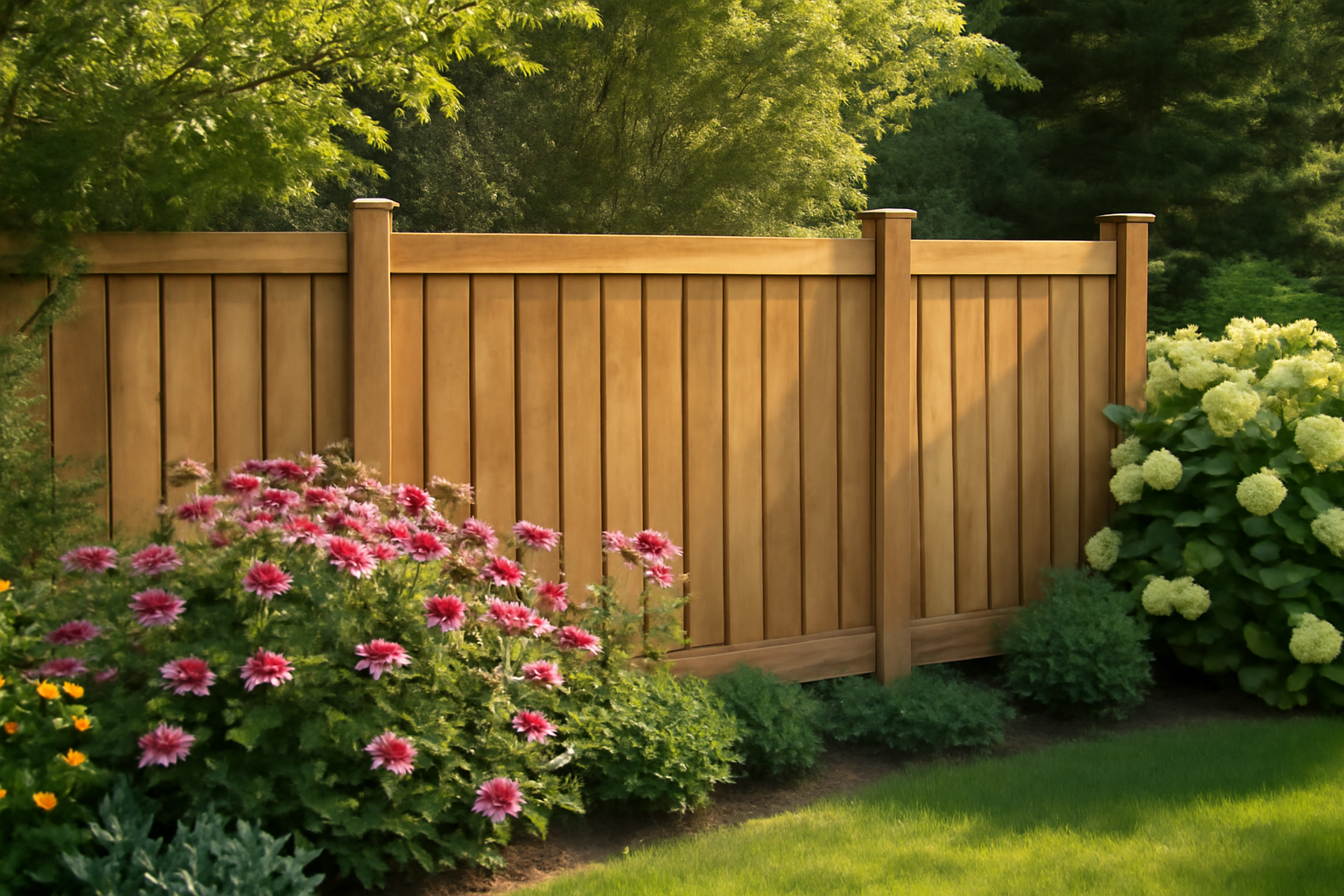
Wood is a top pick for garden fences, offering many styles and uses. It ranges from the classic picket fence to the rustic charm of a split-rail fence. Wood’s versatility lets homeowners craft the ideal fence for their outdoor areas.
Wood fencing comes in various materials. Cedar fences are known for fighting off weather and insects well. Pressure-treated wood is cheaper but still durable. Rustic fences, made from unfinished logs or boards, add a natural beauty.
The upkeep of wood fences depends on the wood type. Cedar and pressure-treated wood need less care. Untreated wood might need staining or painting to keep looking good. Homeowners should think about how much maintenance they want before choosing a fence.
Wood fences serve many purposes, like decorating front yards or adding privacy to backyards. The fence’s height and style can be adjusted to fit different needs. This could be for a cozy outdoor space or to mark property lines.
Wood fence styles and uses are vast. By looking at material, upkeep, and function, homeowners can pick the best wood fence. This enhances both the beauty and use of their outdoor spaces.
Metal and Aluminum Fencing Options
Metal and aluminum fencing bring durability, style, and versatility to gardens. They range from the classic ornamental iron fence to the easy-care powder-coated aluminum. These options can make any outdoor area look better.
Wrought Iron Designs
Wrought iron fencing is loved for its classic, elegant look. Made from galvanized steel, it’s strong and weather-resistant. It’s perfect for adding beauty to gardens and patios.
Aluminum Fence Benefits
Powder-coated aluminum fencing is modern and easy to care for. Aluminum is strong but light, and the powder coating protects it from rust and fading. It’s great for those who want their outdoor space to look good and work well.
Chain Link Solutions
Chain link fencing may not be as fancy as wrought iron or aluminum. But it’s practical and affordable. Made from galvanized steel, it’s tough, simple to put up, and good for marking property lines or keeping pets and kids safe.
Garden Fencing for Enhanced Privacy and Security
Creating a peaceful and safe outdoor space is key. You might want tall fences to hide views or designs that block noise. Living fences use greenery to make a natural barrier around your home.
For top privacy, consider solid wood panels or vinyl screens. They keep your garden private and add security. Metal or aluminum fences can also be made taller for a stylish security boost.
Want to reduce noise? Special fencing materials and designs can help. Acoustic fencing, made from dense materials, cuts down on street and neighbor sounds. Living fences, with dense plants, also absorb noise, making your garden quieter and greener.