Starting a landscaping business is exciting, but having the right gear makes all the difference. You need tools that work well, keep you safe, and help you get the job done efficiently. This guide breaks down the must-have landscaping tools, from the big power equipment to the small hand tools, and even touches on how to buy smart and use technology to your advantage. Let’s get your business rolling with the right equipment.
Key Takeaways
- Having the right landscaping tools is super important for getting jobs done quickly and safely.
- You’ll need a mix of power tools like mowers and blowers, hand tools like shovels and pruners, and some specialized gear like wheelbarrows.
- Don’t forget safety stuff! Gloves, eye protection, and hearing guards are a must for you and your team.
- Think about when to buy the good stuff (commercial grade) and when you can save money, maybe by renting or buying simpler models.
- Using technology, like mobile apps and business software, can really help organize your work and make your business run smoother.
Essential Power Landscaping Tools
Getting your landscaping business off the ground means you’ll need some serious power tools to get the job done efficiently. These aren’t your average homeowner gadgets; we’re talking about equipment that can handle the demands of professional work, day in and day out. Investing in the right power tools is like giving your business a turbo boost.
Choosing Your Lawn Mower
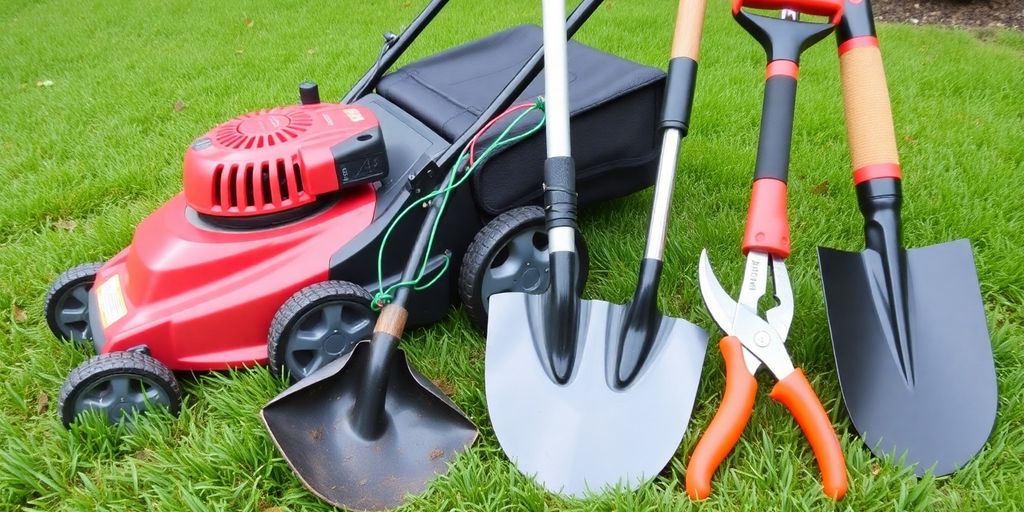
Your lawn mower is probably going to be the biggest equipment purchase you make when starting out. Think about the types of properties you’ll be servicing. For smaller residential yards, a walk-behind mower might be sufficient. But if you’re aiming for larger commercial spaces or even just bigger residential lots, you’ll want to consider a zero-turn mower. They’re faster, more maneuverable, and can significantly cut down on your mowing time. Zero-turn mowers offer a huge advantage in productivity.
| Mower Type | Best For | Pros | Cons |
|---|---|---|---|
| Walk-Behind | Small yards, tight spaces | Affordable, easy to store | Slower, more physical effort required |
| Zero-Turn | Medium to large yards, commercial properties | Fast, highly maneuverable, efficient | More expensive, requires more space |
| Riding Mower | Large properties, long mowing times | Comfortable, covers ground quickly | Less maneuverable in tight spaces |
Leaf Blowers for Quick Cleanup
Nobody likes a messy job site. A good leaf blower is your best friend for clearing grass clippings, leaves, and other debris quickly. You’ve got a couple of main options: handheld and backpack blowers. Handheld models are great for quick touch-ups and smaller areas. For more power and longer run times, especially on larger properties or when dealing with wet leaves, a backpack blower is the way to go. They distribute the weight better, making them more comfortable for extended use. Consider both gas and electric models; gas usually offers more power, while electric (especially battery-powered) is quieter and often more convenient for residential areas. You can find some great options for professional landscaping tools.
Trimmers and Edgers for Precision
These tools are all about the finishing touches that make a landscape look truly professional. String trimmers, often called weed whackers, are perfect for cleaning up grass along sidewalks, driveways, and garden beds where a mower can’t quite reach. They give you those crisp, clean lines. Hedge trimmers are for shaping shrubs and bushes. When choosing, think about weight and ergonomics, especially for hedge trimmers, as you’ll be holding them for extended periods. A lightweight model with comfortable grips can make a big difference in preventing fatigue. Edgers are specifically designed to create that sharp edge between your lawn and walkways or driveways, giving your property a really polished look.
Don’t underestimate the importance of these finishing tools. Clean edges and trimmed bushes can make a property look significantly more cared for, which is exactly what clients are paying for.
Must-Have Hand Landscaping Tools
When you’re starting out, you might think all the action is with the big power equipment, but don’t forget the trusty hand tools. These are the workhorses for all those detailed jobs that make a landscape look polished and professional. They might not be as flashy, but they’re just as important, if not more so, for getting the job done right.
Shovels and Spades for Digging
Every landscaper needs a good shovel. You’ll want a couple of different types. A round-point shovel is great for general digging, breaking up soil, and moving loose material. Then there’s the spade, which usually has a flatter blade. This one is perfect for edging beds, cutting sod, and planting smaller shrubs or perennials. Look for ones with sturdy handles, maybe fiberglass or a strong wood, and a good collar where the handle meets the blade. A kick plate on top of the blade can also save your foot when you’re really digging in. Having the right shovel makes a huge difference in how quickly and easily you can tackle digging tasks. For basic gardening, experts recommend starting with a quality pair of gardening gloves, pruning shears, a steel trowel, and a soil knife. These core tools will equip you for most basic gardening tasks. These core tools
Pruning Shears for Plant Care
For keeping plants healthy and looking their best, you absolutely need pruning shears, often called secateurs. These are like heavy-duty scissors for your plants. They’re perfect for trimming small branches, deadheading flowers, and shaping shrubs. You’ll want a comfortable pair that fits your hand well, especially since you’ll be using them a lot. Consider getting a bypass pruner; they make cleaner cuts, which is better for the plant’s health. If you anticipate dealing with thicker branches, a pair of loppers, which have longer handles for more leverage, will be a lifesaver. Having both means you’re ready for most pruning jobs.
Rakes for Lawn Maintenance
Rakes are another must-have. You’ll probably want at least two types. A leaf rake, often made of flexible tines, is ideal for gathering leaves and grass clippings. They’re lightweight and good for covering larger areas. Then, you’ll want a sturdy garden rake, usually with stiff metal tines. This one is better for leveling soil, spreading mulch or gravel, and even removing thatch from a lawn. A good rake can really help with the overall tidiness and health of a property. It’s amazing how much time you can save with the right rake for the job.
Specialized Lawn Equipment
When you’re starting out, you might not think about the specialized stuff, but trust me, it makes a huge difference in how much work you can get done and how good it looks. These are the tools that help you tackle bigger jobs or just make the everyday tasks way easier.
Wheelbarrows for Material Transport
Okay, so you’ve got mulch, soil, rocks, or maybe even a bunch of plants to move around a job site. Trying to carry all that by hand is just not going to cut it. A good wheelbarrow is your best friend here. You’ll want something sturdy that can handle a decent load without tipping over. Look for ones with strong frames and maybe even pneumatic tires so they roll smoothly over uneven ground. Fiberglass handles are usually better than wood because they don’t splinter and last longer. It might seem simple, but the right wheelbarrow saves your back and a lot of time.
Spreaders for Seeding and Fertilizing
Getting fertilizer or grass seed spread evenly is super important. If you put too much in one spot, you can burn the lawn, and if you don’t put enough, it’ll look patchy. That’s where spreaders come in. There are a few types:
- Broadcast Spreaders: These are great for covering large areas quickly. You push them, and they cast the material out in a wide arc. They’re good for lawns and general fertilizing.
- Drop Spreaders: These drop the material directly below the spreader. They offer more precision, which is helpful if you need to be really careful around flower beds or walkways.
Using a spreader means your clients get a consistent, professional result every time. It’s one of those tools that really shows you know what you’re doing.
Planting Augers for Efficient Planting
If you’re going to be doing a lot of planting, whether it’s trees, shrubs, or even just a bunch of flowers, a planting auger can be a game-changer. Basically, it’s an attachment for a drill that digs holes for you. You just stick it in the ground and let the drill do the work. It makes digging holes much faster and more uniform than doing it with a shovel or trowel. This is especially helpful when you have a lot of holes to dig in a day. You can find them in different sizes depending on what you’re planting. It’s a real time-saver and makes the planting process look much cleaner. You can find some great professional landscape equipment online to help with these tasks.
Safety First: Protecting Your Crew
When you’re out there making landscapes look amazing, the most important thing is keeping yourself and your team safe. It’s easy to get caught up in the work, but a little bit of caution goes a long way. Think of safety gear not as an extra cost, but as a smart investment in your business and your people. It prevents injuries, which means less downtime and happier employees.
Eye Protection and Hearing Guards
Flying debris is a real thing in landscaping, whether it’s from a trimmer, a mower, or just digging. You absolutely need safety glasses or goggles that fit well and don’t fog up. For anything noisy, like leaf blowers or mowers, earplugs or earmuffs are a must. Prolonged exposure to loud noise can cause permanent hearing damage, and that’s something you can’t fix later. Getting good quality hearing protection makes a big difference in comfort and effectiveness.
Durable Gloves and Footwear
Your hands are your livelihood, so protect them! Good work gloves can prevent cuts, blisters, and exposure to sap or chemicals. Different jobs might call for different types of gloves – maybe tougher leather for handling rough materials, or more flexible ones for detailed work. And don’t forget your feet. Steel-toe boots are a good idea, especially when you’re moving heavy stuff or operating machinery. They protect against dropped tools or equipment. Make sure they’re comfortable enough to wear all day, though.
Essential Safety Gear Checklist
Here’s a quick rundown of what you should always have on hand:
- Eye Protection: Safety glasses or goggles.
- Hearing Protection: Earplugs or earmuffs.
- Hand Protection: Durable work gloves suitable for the task.
- Foot Protection: Sturdy work boots, preferably with steel toes.
- Head Protection: Hard hats, especially if there’s a risk of falling objects.
- Respiratory Protection: Masks or respirators if you’re dealing with dust, chemicals, or heavy pollen.
Remember to train your crew on how to properly use all safety equipment. It’s not just about having the gear; it’s about knowing when and how to use it effectively. A quick safety briefing before starting a job can prevent a lot of problems.
Smart Purchasing for Landscaping Tools
When you’re starting out, figuring out what tools to buy can feel like a big hurdle. You want good stuff, but you also don’t want to break the bank before you’ve even landed your first big client. It’s all about finding that sweet spot between quality and cost.
When to Invest in Commercial Grade
If you’re planning on doing a lot of work, especially on larger properties or for commercial clients, it really pays to get commercial-grade equipment. These tools are built tougher, with stronger engines and more durable parts. They can handle being used day in and day out without falling apart. Think of it like this: a cheap mower might get the job done for a while, but a commercial one will keep going strong for years, saving you money on repairs and replacements down the line. It’s often better to buy one really good piece of equipment than several cheaper ones that will just let you down. For example, a commercial-grade trimmer will have a more powerful engine and a sturdier build, making those edging jobs much faster and cleaner.
Saving Money on Essential Gear
Now, not everything needs to be top-of-the-line right away. You can save a good chunk of change by being smart about your purchases. Look for deals, especially at the end of the season when stores are trying to clear out inventory. Buying tool kits or bundles can also be a good way to get a few things at once for less than buying them individually. Don’t underestimate the power of a good sale at a local hardware store or even online retailers. You might be surprised at the quality you can find if you shop around. Remember, having a basic lawn care startup kit is the first step, and you can always upgrade later.
Considering Rentals for Occasional Use
There are some tools that you might only need for a specific job or very rarely. For things like aerators, tillers, or maybe a large stump grinder, renting is often the way to go. Buying these specialized machines can be a huge upfront cost, and if they just sit in your shed most of the year, it’s not a great investment. Check out local equipment rental places; they usually have a good selection of what you might need for a day or a weekend. This lets you tackle those one-off jobs without the commitment of ownership.
Technology for a Streamlined Business
Running a landscaping business today means more than just having the right shovels and mowers. You’ve got to be smart about how you manage everything behind the scenes, too. Technology can really make a difference in keeping things organized and running smoothly. Think about it: instead of juggling paper invoices and messy schedules, you can use digital tools to handle a lot of that. It frees you up to focus on the actual landscaping work and growing your business.
Mobile Devices for On-the-Go Management
Your phone or tablet is probably already your best friend for staying connected, but it can do a lot more for your landscaping business. You can use it to manage appointments, send quotes, and even take payments right there on the job site. This means less time driving back to the office and more time getting work done. Plus, your team in the field can access important client information instantly, cutting down on mistakes and making sure everyone’s on the same page. It’s all about making your operations more efficient.
Business Management Software Solutions
This is where things get really organized. There are software programs specifically designed for businesses like yours. They can help with a bunch of different tasks:
- Scheduling: Plan out your jobs and crew assignments easily. If a job gets rained out, you can quickly reschedule without a headache.
- Invoicing and Payments: Create invoices on the spot and even accept payments right from your phone. Some software can even follow up on late payments automatically.
- Estimating: Get more accurate with your bids by tracking job costs, labor, and materials. This helps you make sure you’re pricing jobs profitably.
- Customer Management: Keep all your client details, notes, and job history in one place. This makes it easier to communicate and build good relationships.
Finding the right software can really streamline your day-to-day operations. Many of these platforms offer integrations with other tools you might already use, like accounting software. You can explore options like Aspire landscaping software to see what fits your needs.
Organizing Documents and Client Data
Keeping track of all your paperwork and client information doesn’t have to be a chore. Instead of stacks of paper, think digital. You can use cloud storage services to keep everything safe and accessible from anywhere. This includes things like:
- Client contracts and service agreements
- Photos of completed work
- Invoices and payment records
- Employee information
Having a digital filing system means you can find what you need in seconds, whether you’re at your desk or out on a job. It also makes it easier to share information with your team and keeps your business looking professional and well-run.
Ready to Get Growing?
So, you’ve got a good idea of what you’ll need to get your landscaping business rolling. It might seem like a lot of stuff at first, and yeah, buying everything can add up. But remember, you don’t have to get the fanciest, most expensive gear right away. Start with the basics that get the job done well, and focus on quality for the things you’ll use most. Think smart about where you spend your money, maybe look for deals or used equipment for some items. And don’t forget about safety gear – that’s super important for you and anyone working with you. With the right tools in hand and a solid plan, you’re well on your way to making those yards look amazing and building a business you can be proud of.
Frequently Asked Questions
What are the absolute must-have tools for a new landscaping business?
To get started, you’ll need a good lawn mower, trimmers, and edgers for cutting grass. You’ll also want shovels, pruning shears, and rakes for planting and tidying up. Don’t forget a wheelbarrow for moving things and spreaders for seeds or fertilizer. Safety gear like gloves and eye protection is super important too!
When should I buy the really good, expensive tools versus cheaper ones?
For bigger jobs or if you plan to work a lot, investing in heavy-duty, commercial-grade tools is a smart move. They last longer and handle tough work better. For smaller or less frequent tasks, you might be able to get by with less expensive options or even rent tools.
Is technology like phones or special software really necessary for a landscaping business?
Yes, technology can really help! Using a smartphone or tablet for managing your schedule, talking to customers, and sending invoices can save you a lot of time. There’s also special software that can help organize all your jobs and client information.
What kind of safety gear do I need for myself and my workers?
Safety is key! Always wear gloves to protect your hands, safety glasses or goggles to shield your eyes from flying debris, and hearing protection if you’re using loud machines like leaf blowers. Sturdy boots are also a must.
How can I save money when buying landscaping tools?
You can save money by buying tools in bundles or when they go on sale. Sometimes, buying slightly used equipment from other landscapers can also be a good deal. Renting larger, specialized machines that you won’t use often is another way to keep costs down.
Roughly how much money should I expect to spend on tools when starting out?
A good starting point for essential tools, not including a truck or trailer, is usually between $1,570 and $4,540. This can change depending on the brands you choose and whether you buy new or used.