So, you want to make your front yard look great? It’s not as complicated as it might seem. Most houses come with a basic patch of grass and a couple of plants, which is fine, but it doesn’t exactly scream ‘wow.’ If you’re looking to boost your home’s appeal and make it stand out, figuring out how to landscape your front yard is a good place to start. It’s about making a good impression right from the street. We’ll walk through the steps to get your front yard looking just right, from figuring out what you’ve got to choosing the plants and making it all come together.
Key Takeaways
- Start by really looking at your front yard from the street to see it with fresh eyes, noting what works and what doesn’t.
- Decide what you want your front yard to do – is it for relaxing, playing, or just looking nice?
- Pick plants that will do well in your yard’s light and soil, and that look good for most of the year.
- Plan your walkways and entrance to be easy to use and welcoming.
- Think about adding features like paths, low walls, or raised beds to give your yard structure and style.
Assess Your Front Yard’s Potential
Before you start digging or buying a single plant, take a good, long look at what you’ve got. Your front yard has its own personality, and understanding it is the first step to making it shine. Think of it like getting to know a new friend – you wouldn’t just jump into deep conversations without first understanding their vibe, right? Your yard is no different.
View Your Home from the Street
This is a big one. We often see our homes from the inside out, but what does it look like to someone driving or walking by? Try to see your house as a stranger would. Park down the street and walk towards it. What’s the first impression? Does it look inviting? Does it fit in with the neighborhood, or does it stand out in a good or bad way? Note down what you like and what you don’t. Maybe the porch looks a bit neglected, or perhaps the entryway isn’t very clear. This outside perspective is super important for understanding your home’s curb appeal. It’s all about that initial visual impact.
Evaluate Entryway Convenience
Now, let’s talk about getting to your front door. Is the path from the street or driveway clear and easy to follow? Can you easily see where to park and get out of your car without stepping into a flower bed? When someone arrives, is it obvious which door is the main entrance? Think about how people move. Are the walkways wide enough? Are there any tricky steps or slopes that might be a problem, especially in bad weather? Making the entrance easy and welcoming is key. You want visitors to feel comfortable from the moment they arrive. A well-thought-out entryway makes a big difference in how your home feels.
List Yard Virtues and Shortcomings
Grab a notebook and pen, or open a note on your phone. Let’s make a list. What are the good things about your front yard? Maybe you have a beautiful old tree that provides great shade, or a nice slope that adds visual interest. Perhaps the soil is actually pretty good in one spot. On the flip side, what are the not-so-great things? Is there a patch that always stays soggy? Is the afternoon sun brutal on a certain area? Does a neighbor’s fence look a bit rundown? Be honest! This list will be your roadmap. It helps you play to your yard’s strengths and figure out how to deal with its weaknesses. It’s like a quick assessment before you start any big project, helping you plan effectively for front yard landscaping.
Define Your Front Yard’s Purpose
Your front yard is the first thing people see when they visit, and it really sets the tone for your whole home. It’s not just about looking pretty, though. Think about what you actually want to do out there, or what feeling you want it to give off. Do you want it to feel super private and secluded, or more open and welcoming to the street?
Consider Functional Zones
It’s helpful to break down your front yard into different areas based on how you might use them. Maybe you want a clear path from the street to your door, a spot for a couple of chairs to enjoy the evening, or perhaps a small area for kids to play.
- Entryway Zone: This is the main path from the street or driveway to your front door. It needs to be clear and easy to navigate.
- Relaxation Zone: If you like to sit outside, think about a small seating area. This could be a bench, a couple of chairs, or even a small bistro set.
- Transition Zone: This might be the area between the sidewalk and the street, or the space around your driveway. It can be used for planting or defining boundaries.
Create Welcoming or Secluded Ambiance
How you arrange your plants and any structures, like fences or walls, can really change the feel of your yard. A low hedge or some open fencing can make it feel more inviting and connected to the neighborhood. On the other hand, taller plants or solid walls can create a more private, tucked-away feeling. It’s all about the impression you want to make.
Determine Privacy Needs
Think about how much privacy you really want or need. If your house is right on a busy street, you might want some taller plants or a fence to block out noise and prying eyes. Even a waist-high border can help keep people from wandering onto your lawn while still letting you see out. It’s a balance between feeling connected and having your own personal space. For some great ideas on how to achieve this, check out front yard landscaping ideas.
Deciding on the purpose of your front yard early on will help guide all your other design choices, from plant selection to pathway materials. It’s like giving your yard a job to do!
Select the Right Plants for Your Space
Choosing the right plants is a big part of making your front yard look great. It’s not just about picking pretty flowers; you’ve got to think about what will actually work in your yard and keep looking good.
Choose Hardy, Season-Long Performers
When you’re picking plants, try to go for ones that are tough and look good for most of the year. This means they can handle your local weather without too much fuss and won’t just be a blank space after a few weeks. Think about dwarf evergreens, shrubs that flower, maybe even a small fruit tree if you have the space, or some reliable perennials and bulbs. For a really long show of color, annuals are your friend. Things like petunias or vinca can spill over the edges of a garden bed and look super charming. Just make sure to leave some edges clear, maybe for a little spot to sit or just to give the plants some breathing room.
Incorporate Foundation Plantings Thoughtfully
Years ago, people used to plant things right up against the house to hide the foundation. Now, a lot of those old foundation plantings are kind of a mess. Builders often put in plants that get way too big or just look stiff and boring, and they can really mess with your home’s style. The idea now is to use plants to soften the corners of your house and help it fit in with the rest of the yard. Keep these plantings simple and dignified. They should be the right size so they don’t overwhelm the house, but rather make it look better. Since you won’t see these plants much from inside, don’t feel like you need to put your most prized specimens here.
Opt for Plants Appropriate to Your Light Conditions
This is a big one. You really need to pay attention to how much sun or shade different parts of your yard get. Planting a sun-loving plant in a shady spot is just asking for trouble. Likewise, a plant that needs shade might get scorched in full sun. Take a look at your yard throughout the day and throughout the seasons to get a good idea of the light patterns. Then, match your plant choices to those conditions. For example, if you have a spot that gets morning sun but afternoon shade, that’s perfect for certain types of perennials or shrubs. If you’re planting under existing trees, remember they’ll create shade, so choose plants that can handle that. It’s all about putting the right plant in the right place.
Design Your Pathways and Entry
Think about how people will actually move through your front yard. It’s not just about looks, but also about making things easy and welcoming. Your front path is the first impression visitors get of your home. So, let’s make it a good one!
Plan Walkways for Function and Appeal
When you’re figuring out where your paths should go, try to follow how people naturally walk. If you don’t, you might end up with worn-out spots in your flower beds! Straight paths are usually the most direct and cost-effective, but curves can add a nice touch if they make sense. Don’t just add a curve for the sake of it. Make sure your walkways are at least 36 inches wide, and 42 to 54 inches is even better if you have the space, so two people can walk side-by-side comfortably. A little extra width at the curves is always a nice touch. You can find some really neat ideas for garden paths online that blend function and beauty.
Ensure Clear and Inviting Entrances
Your front door is the main event, right? Use plants and maybe a small structure like an arbor to guide people toward it. It makes the entrance feel more intentional and welcoming. Think about adding a nice porch light, a striking shrub, or even some colorful pots to really draw attention to the door. A bright-colored door can also make a statement. Don’t forget practical things like a sturdy doormat and maybe a seasonal wreath.
Consider Walkway Materials and Slopes
What you make your paths out of really changes the feel of your yard. Things like gravel or pavers can look great, but think about how much tracking into the house might happen. For the main path from the street or driveway to your door, you probably want something more solid. Also, keep an eye on slopes. Paths should ideally have a gentle slope, no more than a 10% grade, to make them easy to walk on, especially in wet weather. If your entrance is steep, consider adding steps or a ramp.
Making sure your walkways are a good width and have a gentle slope is super important for safety and comfort. Nobody wants to feel cramped or worry about tripping!
Incorporate Hardscaping Elements
Hardscaping is basically the backbone of your front yard design. It’s all the stuff that isn’t alive, like pathways, patios, walls, and fences. These elements are usually the most permanent and can be the most expensive parts of your project, so it’s smart to plan them out carefully. Think of them as the structure that holds everything else together.
Integrate Architectural Features
Your home’s architecture is a big clue for what kind of hardscaping will look good. A classic brick house might look great with a stone pathway and maybe some simple, clean-lined planters. If you have a more modern home, you might lean towards concrete, metal, or even some sleek wood elements. It’s about making sure the hardscape complements your house, not fights with it. You want it to feel like it belongs there. For instance, adding an arbor over your front walk can really make your entrance feel more special, especially if you plant some climbing flowers on it. It’s a nice way to add a bit of charm and guide people to your door. You can find some really neat front yard landscaping ideas that use architectural features to really make a statement.
Define Spaces with Fencing or Walls
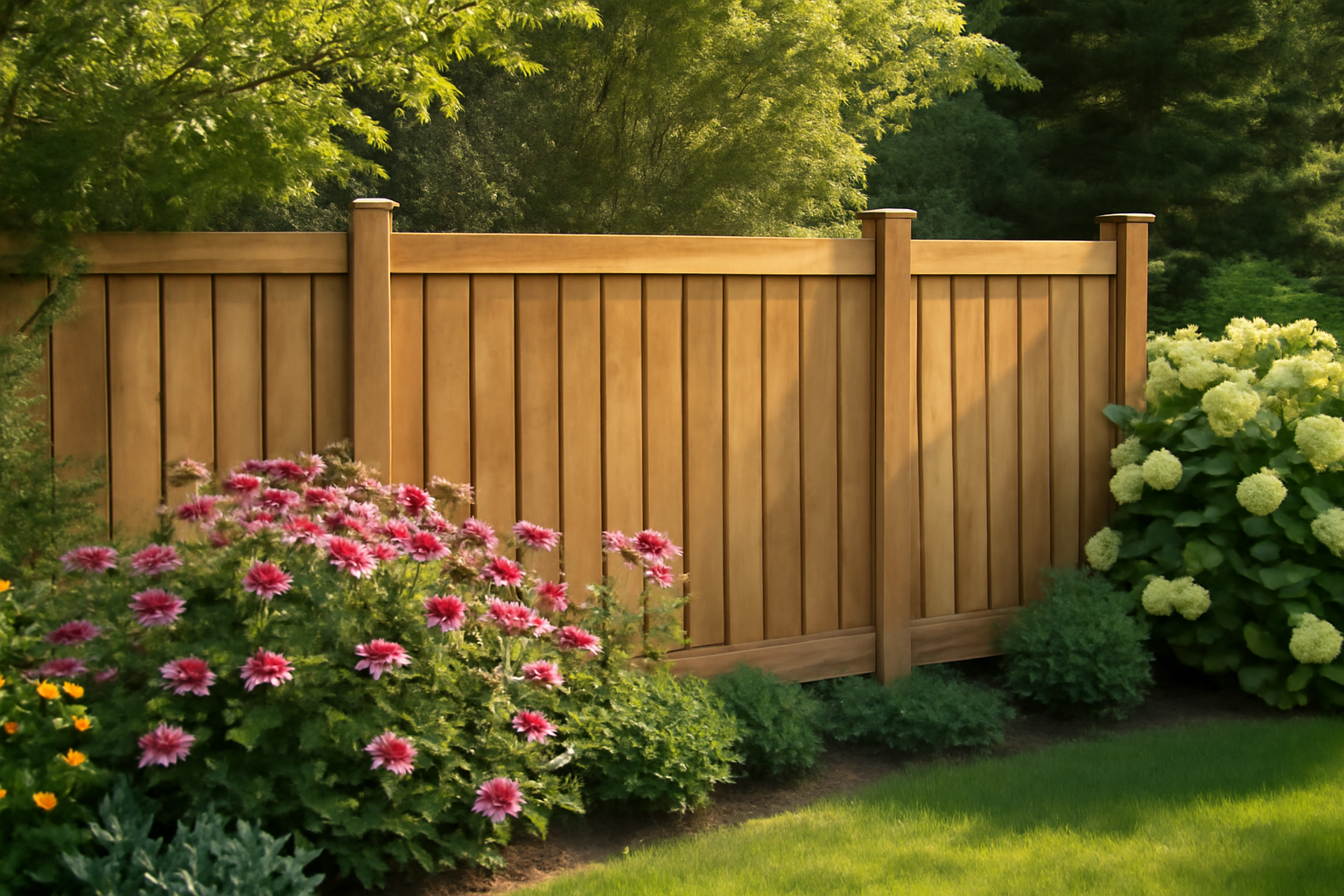
Fences and walls aren’t just for keeping things in or out; they can also be used to create different zones in your yard or add a decorative touch. A low stone wall can edge a garden bed, giving it a defined look and keeping mulch from spilling onto the lawn. A fence can add privacy, especially if you have a porch area you want to feel a bit more secluded. Even a simple picket fence can add a lot of character and a welcoming feel. The material you choose really sets the tone – think about how a rustic wood fence feels different from a modern metal one.
Consider Raised Planting Beds
Raised beds are super handy for a few reasons. They make planting and tending to your garden much easier, especially if you have trouble bending down. They also help with drainage, which is a big deal for plant health. Plus, they look really neat and tidy, giving your garden a more organized appearance. You can build them from wood, stone, or even metal. They’re a great way to add some vertical interest and structure to your landscape, especially if you want to grow herbs or vegetables right by your front door.
Choose a Cohesive Style
Making your front yard look put-together isn’t just about picking pretty plants; it’s about making everything work together. Think of it like picking an outfit – you want the pieces to match, right? The same goes for your landscape. Your front yard style should really speak to your home’s architecture. A super modern house might look a bit odd with a very traditional, fussy garden, and vice versa.
Complement Your Home’s Facade
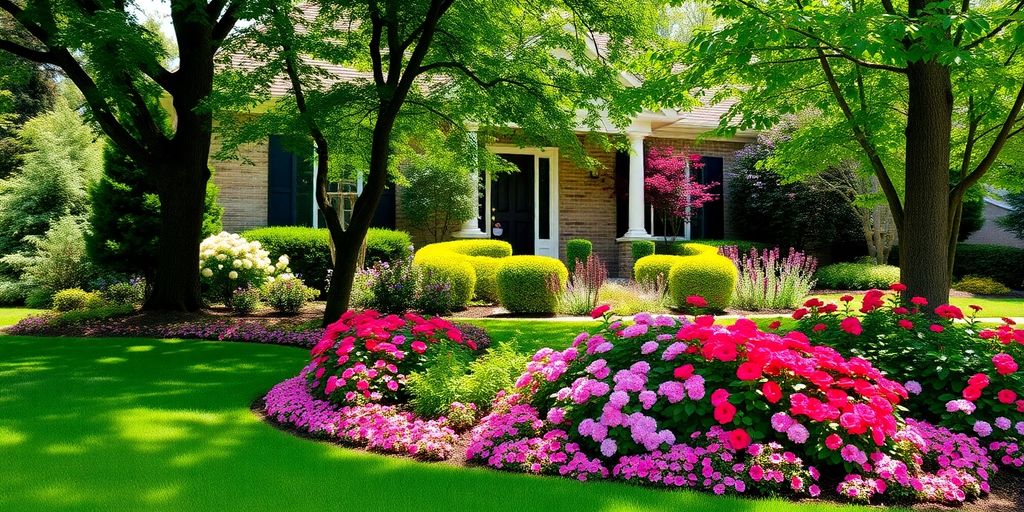
Take a good look at your house. Is it a classic Colonial, a cozy Cottage, a sleek Modern design, or maybe a sprawling Ranch? The style of your home is your biggest clue for choosing a landscape that fits. For a Colonial, you might lean towards symmetrical plantings, maybe some clipped boxwood, and a classic picket fence. A Ranch-style home often looks great with low-growing plants that echo its horizontal lines. It’s all about making the yard feel like a natural extension of the house itself. You can find some great ideas for enhancing curb appeal that tie into different home styles.
Explore Formal Versus Informal Designs
Once you’ve considered your home’s style, think about whether you prefer a formal or informal look. Formal landscapes tend to have strong lines, geometric shapes, and a very ordered appearance – think perfectly manicured hedges and straight pathways. Informal designs are more relaxed, with flowing lines, natural shapes, and a less structured feel. If your house has a lot of straight lines and a symmetrical look, a formal garden might be a good fit. If your home is more relaxed or your property has natural slopes, an informal style could work better. It’s a balance between what looks good and what feels right for your space.
Unify Your Landscape Theme
Having a unified theme means all the elements in your yard – the plants, the pathways, any fences or walls – work together. This creates a sense of harmony, or unity, in your design. You can achieve this by repeating certain plant forms, using a consistent color palette, or sticking to a particular garden style, like a cottage garden or a more minimalist look. When everything feels connected, the whole yard looks more intentional and pleasing. It’s like having a consistent visual story throughout your property.
Plan for Long-Term Success
So, you’ve got a vision for your front yard, but how do you make sure it looks great not just next week, but for years to come? It’s all about thinking ahead. We’re talking about making choices now that will pay off down the road, keeping your yard looking good without turning into a constant chore.
Consider Plant Scale and Mature Size
This is a big one. You know those cute little shrubs you see at the garden center? They grow. And sometimes, they grow a lot! It’s super important to check the tag and get a sense of how big a plant will actually get. Planting something that’s going to take over your walkway or crowd out your house in a few years is a common mistake. Think about giving everything enough elbow room. For instance, a tree that looks perfect for your front yard now might eventually block your windows or even damage your foundation if it’s too close. It’s better to start with plants that have a bit more space than you think they need. You can always fill in gaps with smaller, temporary plants while the main players mature. This approach helps maintain the intended design and prevents costly removals later on. It’s about planting for the future, not just for today. You can find great resources online to help you understand the mature size of different plants, which is a huge help when planning your front yard landscaping.
Evaluate Maintenance Requirements
Let’s be real, nobody wants a front yard that demands constant attention. When you’re picking out plants, think about how much watering, pruning, or pest control they might need. Some plants are pretty low-maintenance, happy with just a bit of water and occasional cleanup. Others can be quite fussy. If you’re busy or just prefer to spend your weekends relaxing, opt for plants known for their hardiness and minimal upkeep. Consider native plants, as they are often well-suited to your local climate and soil, requiring less intervention. Also, think about lawn care; if you’re not keen on mowing and fertilizing, maybe a lawn alternative like ground cover or mulch is a better fit for certain areas. It’s about finding a balance that works with your lifestyle.
Understand Soil and Drainage Needs
This is a bit more technical, but it’s really important for plant health. Different plants have different preferences for soil type and how well the water drains. Some plants love wet feet, while others will rot if they sit in soggy soil. Before you plant anything, it’s a good idea to get a feel for your yard’s soil. Is it sandy, clay, or something in between? Does water pool up after it rains, or does it drain away quickly? Knowing this will help you choose plants that will actually thrive in your specific conditions. You might also need to amend your soil with compost or other organic matter to improve its structure and fertility. Good drainage is key to preventing root rot and other problems. If you have areas where water collects, you might need to consider creating French drains or grading the soil slightly to direct water away from your house and planting beds. Getting this right from the start means healthier, happier plants that require less fuss later on.
Your Front Yard, Your Masterpiece
So, there you have it! Planning your front yard landscape might seem like a lot at first, but really, it’s just about taking it step by step. Think about what you like, what your house needs, and what will make you happy every time you pull into the driveway. Don’t be afraid to get a little creative, mix and match plants, and maybe even try a new walkway material. Your front yard is like the handshake of your home – make it a good one! It’s your chance to show off a bit of your personality and create a space that feels welcoming and uniquely yours for years to come.
Frequently Asked Questions
How should I begin planning my front yard landscape?
Start by looking at your yard from the street, just like a visitor would. Think about what looks good and what could be better. Check out your neighbors’ yards too for ideas. Also, consider how easy it is to get to your front door and driveway. Does it feel welcoming?
What’s the main goal for my front yard’s look and feel?
Think about how you want to use your front yard. Do you want a place to relax, or just make it look nicer from the street? You can also decide if you want it to feel open and friendly or more private and cozy. Adding things like fences or plants can help create the mood you want.
What kind of plants work best for my front yard?
Choose plants that grow well in your area and look good for most of the year. Think about plants that fit nicely near your house’s foundation, not ones that will get too big. Also, make sure the plants you pick like the amount of sun or shade your yard gets.
How do I design good-looking and useful pathways?
Walkways should be easy to use and look nice. Make sure they are wide enough for people to walk comfortably, maybe even two side-by-side. Consider paths that curve gently or have steps if your yard is sloped. The materials you use, like gravel or stones, can also add to the look.
What are hardscaping elements and why are they important?
Hardscaping includes things like paths, patios, walls, or fences. These are the more permanent parts of your yard. They help define spaces and add structure. Think about how these elements will match your house’s style and make your yard look organized.
What should I keep in mind for the long run with my front yard design?
It’s smart to think ahead about how big plants will get when they are fully grown. Also, consider how much work (like watering, weeding, and mowing) your yard will need. Checking your soil and making sure water drains well is also key to keeping your landscape healthy for a long time.