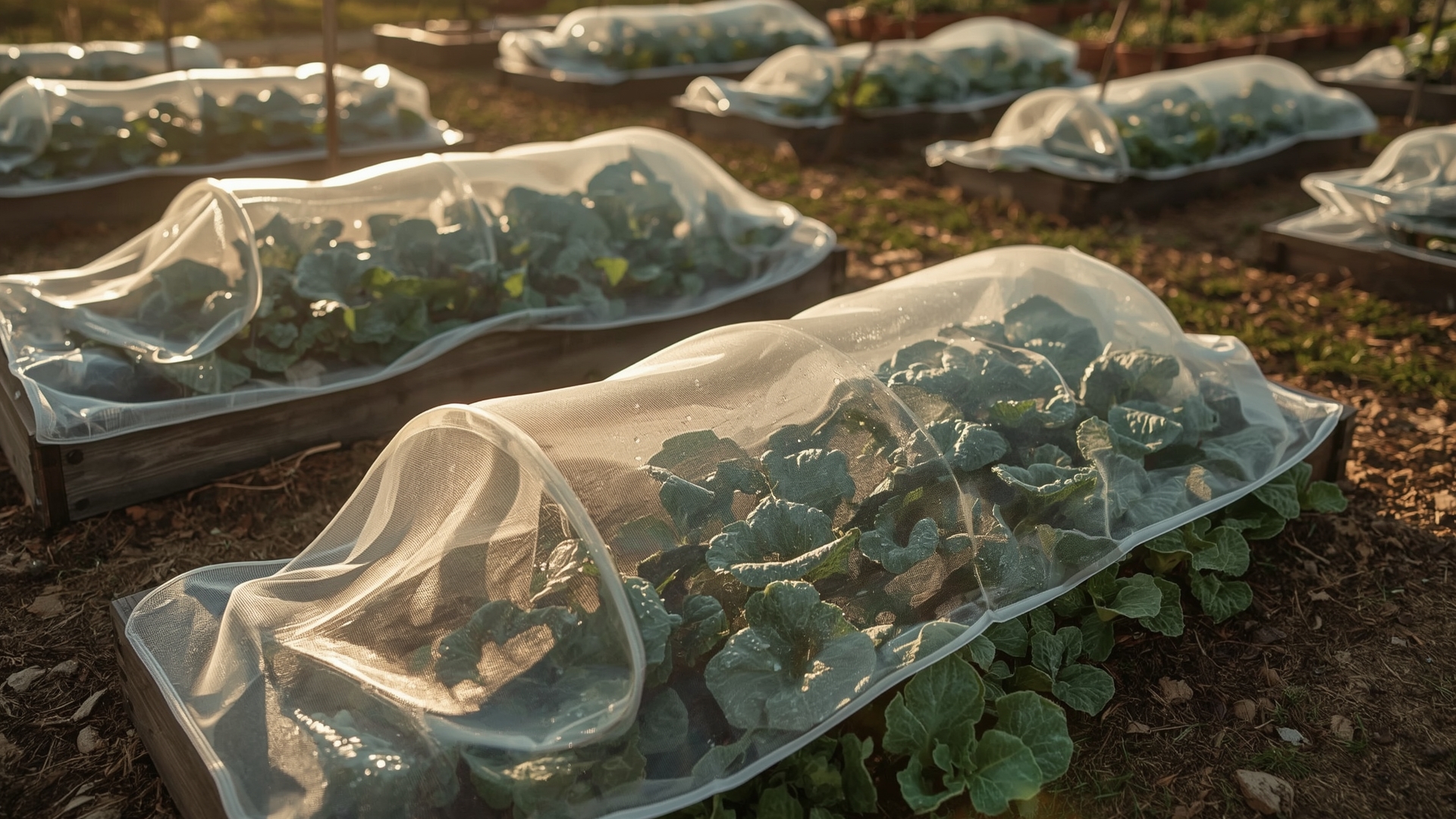
Soilborne diseases are the silent killers of vegetable gardens. By the time you see yellowing leaves or a collapsing plant, the pathogen has usually been living in your soil for months. Fusarium wilt, clubroot, verticillium wilt, and pythium root rot all operate underground — and crop rotation alone won’t stop them. You need a layered approach that targets the pathogen directly, improves soil biology, and removes the conditions that let disease take hold.
Key Takeaways
- Soilborne pathogens survive for years — fusarium can persist in soil for 10 to 40 years without a host plant.
- Rotation is necessary but not enough — clubroot and verticillium wilt require additional management beyond moving crops.
- Soil pH is a powerful prevention tool — raising pH to 7.2 or above significantly reduces clubroot infection rates.
- Biological controls work — beneficial microbes like Trichoderma and Bacillus subtilis actively suppress soilborne pathogens.
- Soil structure matters as much as chemistry — waterlogged or compacted soil creates the anaerobic conditions pythium thrives in.
- Solarization can reduce pathogen load — six to eight weeks under clear plastic kills pathogens in the top six inches of soil.
What Are Soilborne Diseases in Vegetable Gardens?
Quick Answer: Soilborne diseases are infections caused by pathogens that live in the soil rather than spreading through air or rain splash. Common culprits include fusarium wilt, verticillium wilt, clubroot, pythium root rot, and rhizoctonia. They attack roots, crowns, and vascular tissue underground.
Unlike foliar diseases — which blow in on wind or splash up from rain — soilborne diseases are already home. They live in the soil as spores, mycelium, or resting structures that survive without a living host for years. Some are fungi. Some are water molds (oomycetes). One — clubroot — is caused by a slime mold-like organism called Plasmodiophora brassicae.
They all share one thing: by the time symptoms show above ground, the damage below ground is severe. That’s why prevention and early detection matter more with soilborne disease than with almost any other garden problem.
Which Vegetable Crops Are Most Vulnerable?
Some plant families carry a much higher risk than others. Knowing which crops are vulnerable helps you prioritize where to focus your prevention efforts.
- Brassicas (cabbage, broccoli, cauliflower, kale): Highly susceptible to clubroot and black leg
- Solanaceae (tomatoes, peppers, eggplant, potatoes): Primary targets for fusarium wilt and verticillium wilt
- Cucurbits (cucumber, squash, melon): Susceptible to fusarium crown rot and pythium damping off
- Alliums (onion, garlic, leek): Vulnerable to white rot (Sclerotium cepivorum)
- Legumes (beans, peas): Susceptible to pythium root rot and rhizoctonia damping off
How Do You Identify Fusarium Wilt in Vegetable Gardens?
Quick Answer: Fusarium wilt causes yellowing and wilting on one side of the plant first, then spreads. Cut the stem near the base — a brown or tan ring in the vascular tissue confirms fusarium. Leaves wilt even when soil is moist.
Fusarium wilt is caused by Fusarium oxysporum, a fungus with dozens of host-specific strains called formae speciales. The strain that attacks tomatoes won’t affect basil, and vice versa. This specificity matters for planning rotations and selecting resistant varieties.
The fungus enters through root tips or wounds, then colonizes the plant’s xylem — the internal water-transport system. Once the xylem is blocked, water can’t reach the leaves. The plant wilts from the inside out.
Fusarium Wilt: Disease Profile and Key Attributes
| Attribute | Value |
|---|---|
| Causal organism | Fusarium oxysporum (multiple formae speciales) |
| Soil persistence | 10 to 40 years as chlamydospores |
| Optimal soil temperature for infection | 80 to 90°F (27 to 32°C) |
| Optimal soil pH for pathogen | 5.0 to 6.5 |
| Primary entry points | Root tips, nematode wounds, transplant damage |
| Key diagnostic sign | Brown vascular discoloration in stem cross-section |
| Most susceptible crops | Tomato, pepper, cucumber, watermelon, basil |
What Makes Fusarium Worse?
High soil temperatures are the biggest trigger. When soil temperatures exceed 80°F, the fusarium fungus becomes highly active. Nematode feeding wounds on roots also give fusarium a direct entry point. This is why nematode management and fusarium management often go hand in hand in warm-climate gardens.
Raising soil pH slightly — toward 6.5 to 7.0 — reduces fusarium activity in tomatoes. It doesn’t eliminate the pathogen, but it changes the soil environment enough to slow infection rates.
How Do You Identify and Manage Clubroot in Brassica Beds?
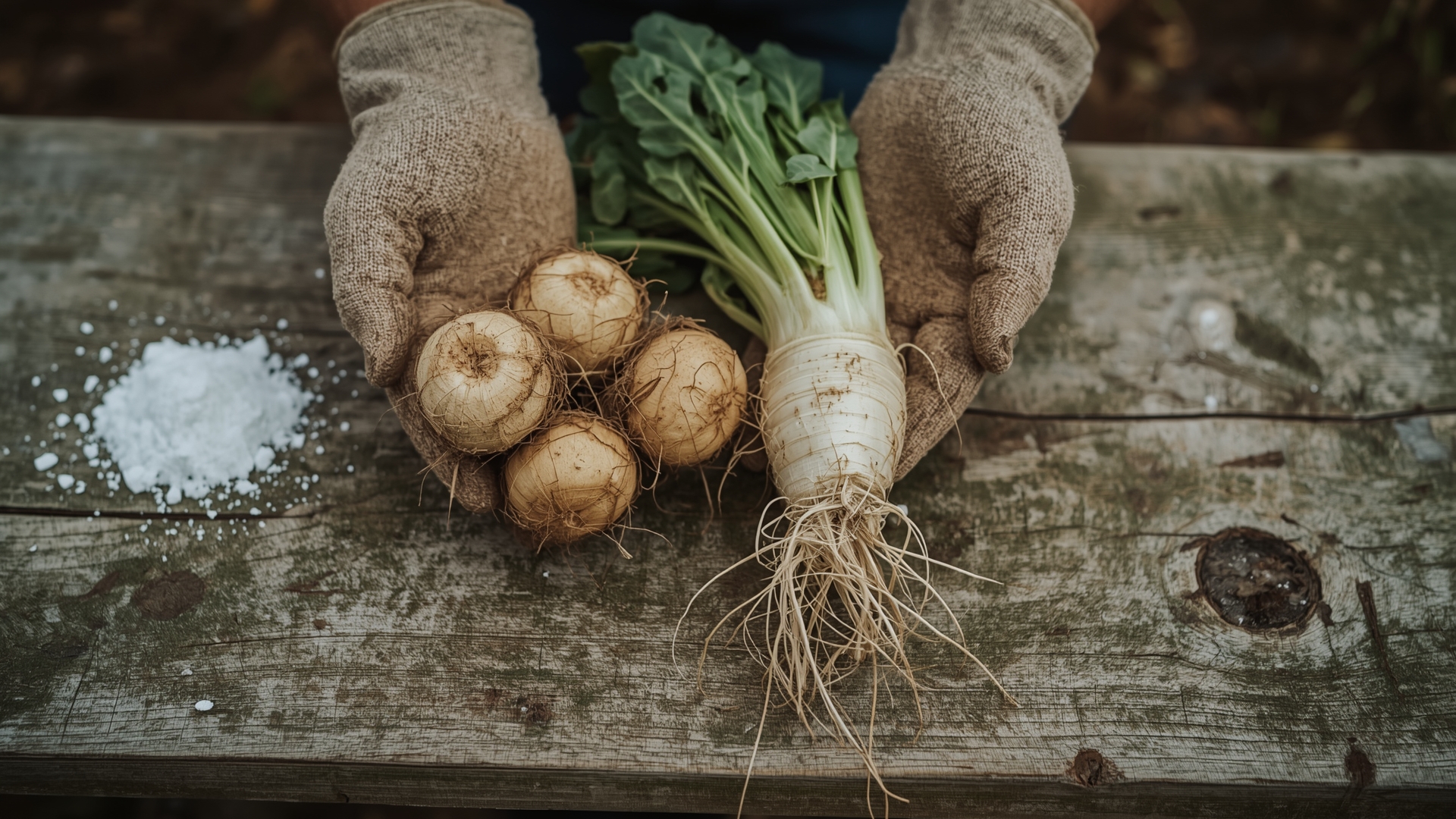
Quick Answer: Clubroot causes swollen, distorted roots in brassica crops. Infected plants wilt on hot days and look stunted. Pull a plant and check the roots — finger-like or golf ball-sized galls confirm clubroot. The pathogen survives in soil for 15 to 20 years.
Clubroot is caused by Plasmodiophora brassicae, an organism that behaves like a slime mold. It produces resting spores that can survive in soil for up to 20 years — even without brassica crops present. This makes it one of the most persistent soilborne diseases in vegetable gardening.
The spores germinate when they detect chemicals released by brassica roots. They then infect root hairs, multiply inside root tissue, and cause abnormal cell growth — the galls that give the disease its name. Infected roots can’t absorb water or nutrients properly, which is why affected plants wilt and yellow in hot weather even when soil moisture is adequate.
Clubroot Management: What pH and Lime Can Actually Do
Soil pH is your most powerful tool against clubroot. Plasmodiophora brassicae spore germination drops sharply above pH 7.2. Raising pH with agricultural lime (calcium carbonate) or hydrated lime before planting brassicas is the most practical non-chemical management strategy available.
- Target pH of 7.2 to 7.5 for beds with clubroot history
- Apply lime 2 to 4 weeks before transplanting to allow pH to adjust
- Test pH annually — acidic rain and organic matter additions lower pH over time
- Do not use sulfur or pine bark mulch in brassica beds — both lower pH
Lime won’t eradicate clubroot. But it creates conditions where the pathogen is far less active. Combined with a 4-year rotation away from all brassica family crops, pH management gives you meaningful disease suppression.
Clubroot Disease Profile
| Attribute | Value |
|---|---|
| Causal organism | Plasmodiophora brassicae |
| Soil persistence | 15 to 20 years as resting spores |
| Optimal soil pH for infection | 5.4 to 6.5 |
| Infection suppression pH target | 7.2 to 7.5 |
| Optimal soil temperature | 64 to 77°F (18 to 25°C) |
| Primary spread mechanism | Infected transplants, contaminated soil, tools, waterflow |
| Host family | Brassicaceae only (cabbage, broccoli, turnip, radish, arugula) |
| Minimum rotation gap recommended | 4 years (7+ years preferred in heavily infected beds) |
How Is Verticillium Wilt Different from Fusarium Wilt?
Quick Answer: Verticillium wilt progresses more slowly than fusarium and tends to affect older leaves first. It thrives in cool soils (50 to 75°F), while fusarium prefers warm conditions above 80°F. Both show internal vascular browning, but verticillium streaking is often lighter tan or olive-colored.
Verticillium wilt is caused by Verticillium dahliae or Verticillium albo-atrum. Both colonize the vascular tissue of plants the same way fusarium does, but they prefer cooler conditions. In most gardens, verticillium disease becomes active in spring and fall when soil temperatures drop below 75°F.
The disease progresses more slowly than fusarium. You’ll often see lower leaves yellow and drop, while the upper growth looks fine for weeks. Cut a stem about 6 inches above the soil line — a tan or olive-brown discoloration in the vascular ring indicates verticillium.
Fusarium vs. Verticillium: Side-by-Side Comparison
| Attribute | Fusarium Wilt | Verticillium Wilt |
|---|---|---|
| Causal organism | Fusarium oxysporum | Verticillium dahliae / V. albo-atrum |
| Optimal soil temp | 80 to 90°F | 50 to 75°F |
| Wilting pattern | One-sided, rapid | Lower leaves first, slow progression |
| Vascular discoloration | Dark brown to black | Tan to olive brown |
| Soil persistence | 10 to 40 years | 10 to 15 years as microsclerotia |
| Primary hosts | Tomato, cucumber, basil, watermelon | Tomato, potato, strawberry, eggplant |
| Resistant variety codes | “F” on seed packet | “V” on seed packet |
What Is Pythium Root Rot and When Does It Strike?
Quick Answer: Pythium root rot is a water mold disease that attacks seedlings and young transplants in wet, poorly drained soil. Infected roots turn brown and mushy. It’s most destructive when soil stays waterlogged above 60°F. Improving drainage is the primary fix.
Pythium is not a true fungus — it’s an oomycete, or water mold. This matters because most traditional fungicides have little effect on oomycetes. Products containing mefenoxam or metalaxyl are specifically effective against pythium; standard broad-spectrum fungicides are not.
Pythium causes damping off in seedlings — the sudden collapse of young plants at the soil line. In established plants, it causes slow decline with mushy, brown roots and stunted growth. The pathogen spreads rapidly in saturated soil because its spores are motile in water.
How to Prevent Pythium Without Fungicides
- Improve drainage: Raised beds with 12 or more inches of depth drain far better than in-ground beds in heavy clay soil
- Avoid overwatering: Water deeply and infrequently; let the top inch of soil dry before watering again
- Use coarse compost: Fine-textured composts hold excess moisture; coarser blends allow better air exchange in root zones
- Apply Trichoderma harzianum: This beneficial fungus colonizes roots and produces compounds that suppress pythium
- Avoid cold, wet transplanting conditions: Transplant into warm, moist (not saturated) soil to reduce seedling stress
Does Soil Solarization Actually Kill Soilborne Pathogens?
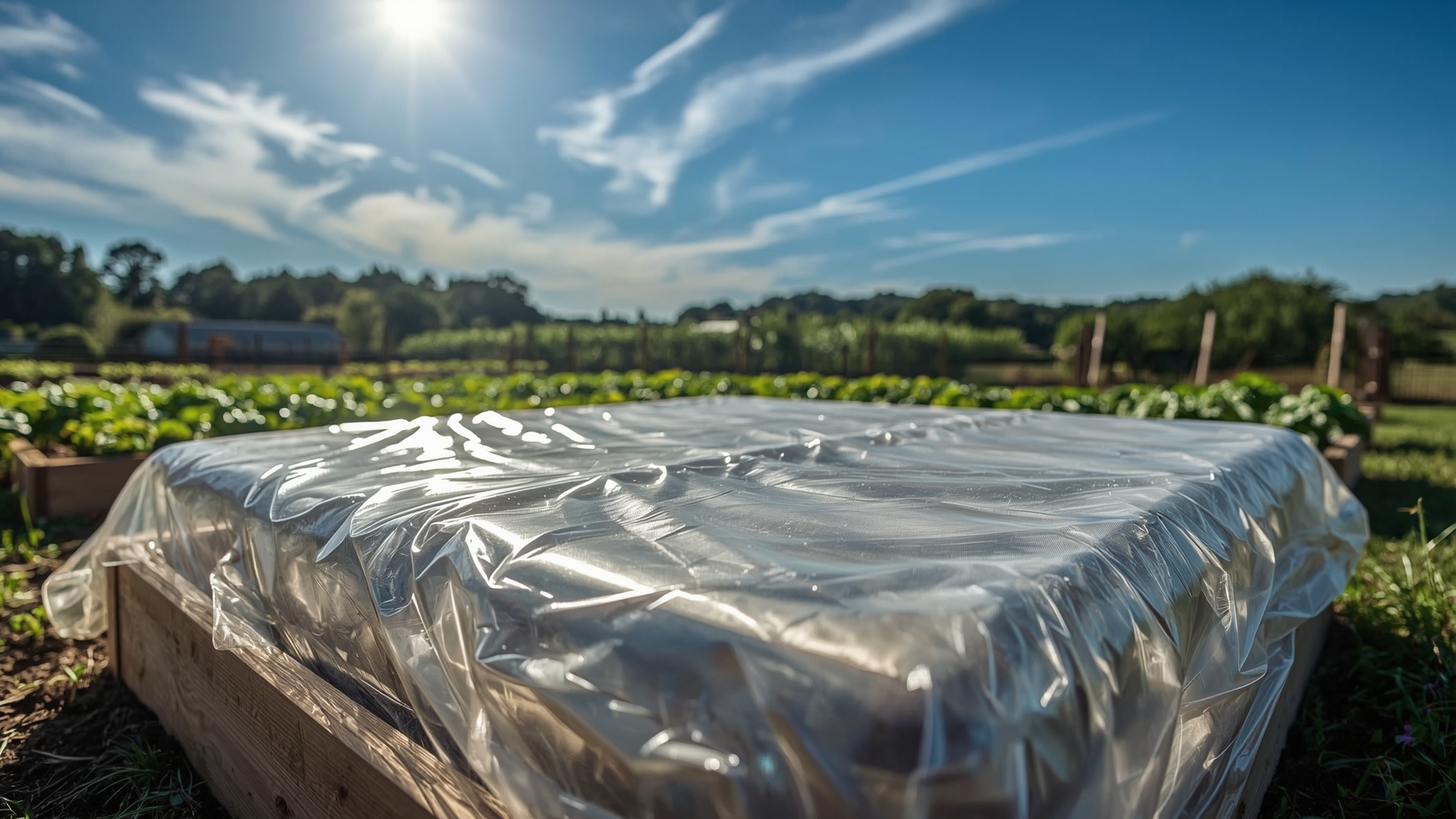
Quick Answer: Yes. Soil solarization uses clear plastic sheeting to trap solar heat and raise soil temperatures high enough to kill many soilborne pathogens. Six to eight weeks of solarization in summer reduces fusarium, verticillium, and weed seed populations in the top six inches of soil.
Solarization works by trapping heat under clear plastic, raising soil temperatures to 110 to 140°F in the top few inches. Most soilborne pathogens are killed at sustained temperatures of 100°F or above. Fusarium chlamydospores require 130°F for at least 30 minutes. Clubroot resting spores need sustained heat above 122°F.
The process works best in regions with strong summer sun and warm air temperatures. In northern climates, the shorter growing season may limit effectiveness. Here’s how to do it right:
- Clear all plant debris and weeds from the bed
- Till the top 6 inches of soil and rake it smooth
- Water the soil thoroughly — moist soil conducts heat better than dry soil
- Lay clear (not black) plastic sheeting over the bed, pulling it tight
- Bury the edges with soil to trap heat and prevent wind displacement
- Leave in place for 6 to 8 weeks during the hottest part of summer
Solarization is most effective when combined with biological inoculants applied immediately after the plastic is removed. The heat reduction in competing organisms creates an open niche — reintroduce beneficial microbes before opportunistic pathogens recolonize.
How Do Biological Controls Suppress Soilborne Disease?
Quick Answer: Biological controls introduce beneficial microorganisms that compete with, parasitize, or produce compounds against soilborne pathogens. Products containing Trichoderma, Bacillus subtilis, and mycorrhizal fungi are the most widely used and research-supported options for home vegetable gardens.
A healthy soil food web is your garden’s immune system. When beneficial microbial populations are high and diverse, pathogens struggle to establish themselves because they face intense competition for resources and space. Many pathogens also produce toxins — and many beneficial microbes produce counter-compounds that neutralize those toxins.
Key Biological Control Agents for Vegetable Garden Soil
| Organism | Target Pathogens | Application Method | Effective Temperature Range |
|---|---|---|---|
| Trichoderma harzianum | Pythium, Fusarium, Rhizoctonia | Soil drench, transplant root dip, seed coating | 59 to 86°F (15 to 30°C) |
| Bacillus subtilis | Fusarium, Rhizoctonia, Botrytis | Soil drench, foliar spray near soil line | 50 to 95°F (10 to 35°C) |
| Bacillus amyloliquefaciens | Pythium, Verticillium, Fusarium | Soil drench at transplanting | 50 to 86°F (10 to 30°C) |
| Mycorrhizal fungi (Glomus intraradices) | Indirect suppression via root health improvement | Root inoculant at transplanting | 55 to 85°F (13 to 29°C) |
| Streptomyces lydicus | Pythium, Phytophthora, Fusarium | Soil drench, seed treatment | 60 to 85°F (16 to 29°C) |
These biological agents are available as commercial products at most garden centers and online. Apply them at transplanting, not weeks later. The goal is to establish the beneficial population before the pathogen has a chance to colonize root tissue.
What Soil Amendments Actively Reduce Soilborne Disease Risk?
Quick Answer: Compost, biochar, and calcium-rich amendments like gypsum all reduce soilborne disease risk through different mechanisms. Compost boosts microbial competition. Biochar improves drainage and provides habitat for beneficial microbes. Gypsum improves soil structure without raising pH.
Not all soil amendments are equal when it comes to disease suppression. Some work by enriching microbial diversity. Others change the physical environment. The best approach layers multiple strategies.
Disease-Suppressive Compost: What Makes It Work
Compost made from diverse plant materials and aged properly contains hundreds of microbial species. These outcompete soilborne pathogens for food and space. Research from multiple university extension programs has shown that compost-amended soils consistently show lower fusarium and pythium infection rates than unamended controls.
Not all compost suppresses disease equally. Thermophilic compost — material that reached temperatures of 131 to 170°F during composting — is more disease-suppressive than cold-processed material. Hot composting also kills most weed seeds and pathogens that may have been present in the raw inputs.
Calcium and Disease Resistance
Calcium plays a direct role in cell wall strength and disease resistance. Plants with calcium deficiency develop weaker cell walls, which are easier for pathogens to penetrate. Calcium also affects soil pH and the soil’s physical structure. Here’s how different calcium sources compare:
- Agricultural lime (calcium carbonate): Raises pH, adds calcium — best for acidic soils and clubroot prevention
- Gypsum (calcium sulfate): Adds calcium and sulfur without affecting pH — best for soils already at correct pH
- Calcitic lime: High calcium, low magnesium — preferred when soil magnesium is already adequate
- Dolomitic lime: Adds both calcium and magnesium — preferred when both are deficient
How Does Crop Rotation Fail Against Long-Persisting Pathogens?
Quick Answer: Standard 3-year crop rotation is not enough for pathogens like fusarium or clubroot, which survive 10 to 40 years in soil. Rotation reduces inoculum pressure but does not eliminate it. It must be paired with pH management, biological controls, and resistant varieties to be effective.
Three-year or four-year rotation cycles assume pathogens die off after a few years without a host. That assumption is wrong for the most persistent soilborne diseases. Fusarium chlamydospores can survive for four decades. Clubroot resting spores persist for 15 to 20 years. White rot sclerotia (Sclerotium cepivorum) remain viable in soil for 20 to 30 years.
Rotation still has real value — it reduces pathogen numbers over time and prevents explosive population growth. But treating it as a complete solution leads gardeners to plant susceptible crops back into infected soil too soon.
What Rotation Cannot Do
- It cannot eliminate a pathogen already present at high levels
- It cannot prevent recontamination from neighboring soil, tools, or water runoff
- It does not address soil conditions (pH, drainage, compaction) that favor the pathogen
- It is not effective for clubroot in beds with a history of repeated brassica plantings
What Are the Best Disease-Resistant Vegetable Varieties to Plant?
Quick Answer: Seed packets use letter codes to show disease resistance. “F” means fusarium-resistant, “V” means verticillium-resistant, “N” means nematode-resistant. Varieties with multiple resistance codes (like “VFN”) give you stacked protection. Resistant varieties are the most reliable prevention tool available.
Breeding programs have developed vegetable varieties with built-in resistance to specific pathogens. This is not the same as immunity — resistant varieties can still become infected under high disease pressure, but they are far less likely to collapse and die. Many modern tomato varieties carry resistance codes that tell you exactly what they’re bred to tolerate.
Common Seed Packet Disease Resistance Codes
| Code | Disease | Pathogen | Crops with Resistant Varieties |
|---|---|---|---|
| F or FF | Fusarium Wilt (races 1 and 2) | Fusarium oxysporum | Tomato, melon, cucumber |
| V | Verticillium Wilt | Verticillium dahliae | Tomato, eggplant, strawberry |
| N | Root Knot Nematode | Meloidogyne spp. | Tomato, pepper |
| CR | Clubroot Resistance | Plasmodiophora brassicae | Cabbage, broccoli, cauliflower, kale |
| PM | Powdery Mildew | Erysiphe spp. | Cucumber, squash, melon |
| TSWV | Tomato Spotted Wilt Virus | Tospoviridae | Tomato, pepper |
How Do You Prevent Spreading Soilborne Diseases Between Garden Beds?
Quick Answer: Soilborne pathogens spread on dirty tools, boots, contaminated transplants, and water runoff. Clean and disinfect tools between beds using a 10% bleach solution or 70% isopropyl alcohol. Never move soil from a disease-affected bed to a healthy one.
Cross-contamination is how soilborne diseases spread from one raised bed to another. Fusarium and clubroot spores cling to the soil on your trowel, your boot soles, and the outside of transplant root balls. You can move them from a problem bed to a healthy one without realizing it.
Cross-Contamination Prevention Checklist
- Disinfect all tools between beds with 70% isopropyl alcohol or a 1:9 bleach-to-water solution
- Avoid walking through a bed you suspect is infected, then walking into a healthy bed
- Source transplants from reputable nurseries — inspect root balls before planting
- Do not compost plant material from diseased plants — bag and dispose of it
- Direct runoff water away from healthy beds — channel it away from the garden if possible
- Use dedicated gloves for each bed if a disease issue has been identified
- Avoid overhead irrigation systems that splash soil from bed to bed
What Symptoms Tell You Soilborne Disease Is Already Present?
Quick Answer: Signs of soilborne disease include wilting despite moist soil, yellowing that starts on one side or lower leaves first, stunted or uneven growth, mushy brown roots, and plant death that can’t be explained by pests or drought. Stem cross-section browning confirms vascular wilt diseases.
Because soilborne diseases operate below the surface, above-ground symptoms are often confusing. The plant looks like it needs water — but watering doesn’t help. Or growth slows down but there’s no visible pest. These are the signs that something is happening underground.
Diagnostic Steps for Soilborne Disease Suspicion
- Rule out obvious causes: Check soil moisture, look for surface pests, verify fertilization history
- Observe wilting pattern: One-sided wilting points to fusarium; lower leaves first suggests verticillium; wilting on hot days in brassicas suggests clubroot
- Pull a plant: Examine the root system — brown, mushy roots suggest pythium; galls or swelling indicate clubroot
- Cut the stem: Slice the stem 3 to 6 inches above the soil line and look at the cross-section — any internal brown or tan discoloration indicates a vascular wilt pathogen
- Check soil history: Was the same crop family planted here in the past 3 to 4 years?
- Send a sample: Many state university extension labs offer soil and plant pathology testing for $15 to $50 per sample
What Is the Most Effective Long-Term Strategy for Disease-Suppressive Soil?

Quick Answer: The most effective long-term strategy builds a disease-suppressive soil ecosystem using diverse compost, biological inoculants, proper pH management, resistant varieties, and minimal soil disturbance. No single tactic works alone — layered management reduces risk across multiple pathogen types simultaneously.
Disease-suppressive soil is a concept from soil microbiology. It refers to soil where pathogen populations are held in check by the native microbial community, even when a susceptible host plant is present. You can build this kind of soil intentionally over several seasons.
The key inputs are:
- Diverse organic matter: Compost from multiple feedstocks, aged manure, leaf mold
- Minimal tillage: Deep tillage disrupts fungal networks (including beneficial mycorrhizae) and brings buried pathogen spores to the surface
- Biological inoculants applied annually: Reintroduce Trichoderma, Bacillus subtilis, and mycorrhizal fungi at the start of each season
- Cover crops: Sudangrass, mustard, and oilseed radish all have biofumigant properties that suppress soilborne pathogens
- Avoid synthetic fungicides unless necessary: Broad-spectrum fungicides kill beneficial soil organisms along with pathogens, reducing your soil’s natural disease suppression capacity
Building disease-suppressive soil takes 2 to 4 seasons of consistent management. It’s not a quick fix — but it’s the only approach that improves outcomes season after season instead of just fighting fires year by year.
Frequently Asked Questions
Can you use bleach to sterilize soil with fusarium wilt?
Bleach is not an effective soil sterilant for fusarium. It breaks down quickly on contact with organic matter and doesn’t penetrate deep enough to reach persistent chlamydospores. Soil solarization and biological controls are more practical and less disruptive to your soil’s beneficial organisms.
Is clubroot the same thing as root knot nematode damage?
No. Clubroot is caused by Plasmodiophora brassicae and only affects the brassica plant family. Root knot nematode damage — caused by Meloidogyne species — affects a much wider range of crops including tomatoes, peppers, and carrots. Both cause root galling, but clubroot produces larger, smooth swellings while nematode galls are smaller and often found at root branch points.
Will adding more compost fix a bed with verticillium wilt?
Compost helps build disease-suppressive conditions over time, but it won’t fix an active verticillium infection in the current season. Once a plant is infected, there’s no cure. Remove infected plants, improve drainage, apply biological controls at replanting, and choose verticillium-resistant varieties for future plantings in that bed.
Do raised beds get soilborne diseases less often than in-ground gardens?
Raised beds start with a lower disease risk because you fill them with fresh, pathogen-free soil mix. But pathogens can enter through contaminated transplants, tools, or added compost. Once established in a raised bed, diseases like fusarium and clubroot are just as persistent as they are in ground-level beds.
What is biofumigation and does it work against clubroot?
Biofumigation uses plants from the mustard family — like white mustard or oilseed radish — that release compounds called glucosinolates when tilled into the soil. These compounds break down into toxic gases that suppress some soilborne pathogens including clubroot. It works best as a supplemental strategy combined with pH management and resistant varieties, not as a standalone fix.
How do I know if my soil test results show a disease risk?
Standard soil tests measure pH, nutrient levels, and sometimes organic matter — they don’t directly detect pathogens. For disease-specific information, you need a plant pathology lab test on diseased plant tissue, or a soil DNA test from a lab that offers pathogen screening. University extension labs in most U.S. states offer these tests at low cost.