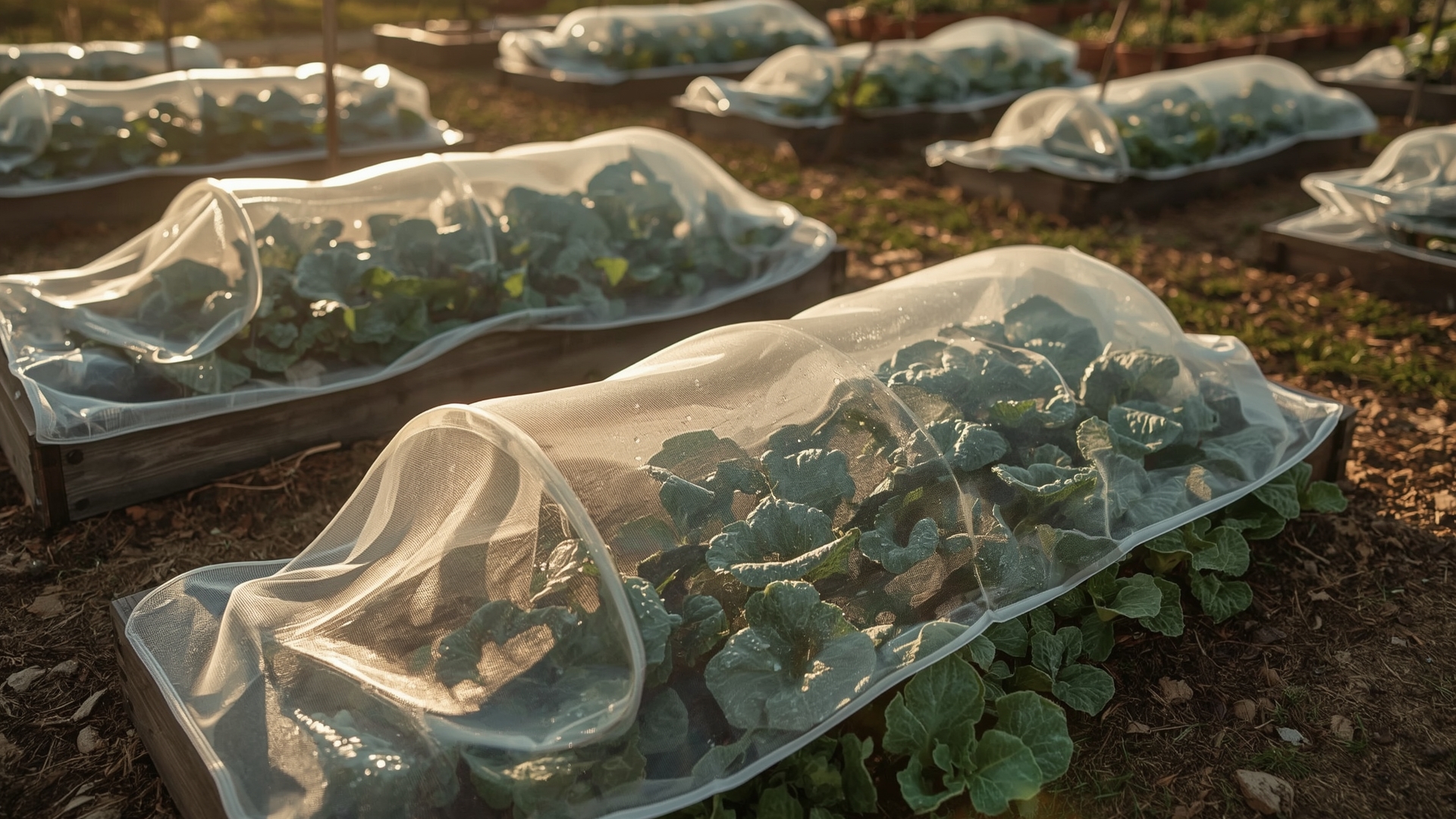
Starting a garden doesn’t have to drain your wallet. Most of the costs new gardeners face come from buying plants at full price, purchasing soil in small bags, and buying tools they don’t actually need yet. With a few smart strategies, you can build a productive garden for a fraction of the typical cost.
The goal isn’t to buy less — it’s to spend smarter. That means knowing when to buy, where to get plants for free, and which investments actually pay off long-term.
Key Takeaways
- Start seeds indoors to cut plant costs by 60–80% compared to buying transplants.
- Divide perennials from existing plants or neighbors to fill beds without spending anything.
- Plant swaps are free, community-based exchanges where gardeners trade divisions, seedlings, and cuttings.
- End-of-season sales at garden centers typically discount plants 50–75% in late summer and fall.
- Cooperative extension offices offer free soil testing, planting guides, and expert advice tied to your local climate.
- Build soil with compost instead of buying bagged amendments every year — it’s cheaper and better for your garden long-term.
- Start small — a focused 4×8 ft raised bed or a few containers will teach you more and cost less than a large plot.
What Are the Biggest Costs When Starting a Garden?
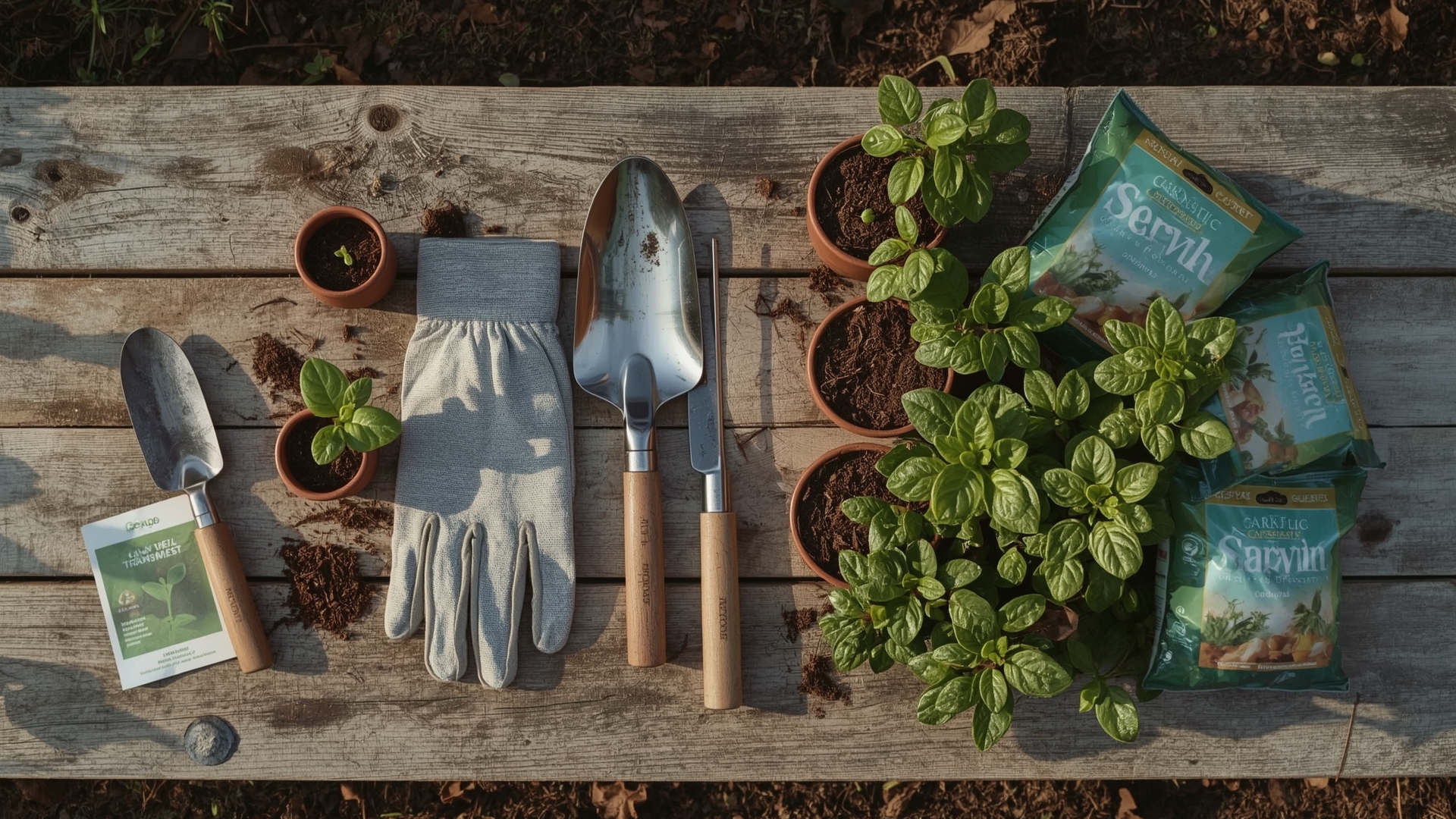
Quick Answer: The biggest garden startup costs are plants, soil, and tools. Buying transplants instead of seeds, purchasing bagged soil in small quantities, and buying every tool at once can easily push a first-year garden budget over $300 unnecessarily.
Most first-time gardeners overspend in three areas. Understanding these helps you make targeted cuts.
Plants: Where Most Budgets Break
A single tomato transplant at a garden center costs $4–$8. A packet of 25–50 tomato seeds costs $3–$5. If you’re planting three tomatoes, that difference feels small. But across a full garden of vegetables, herbs, and flowers, buying transplants versus seeds can mean a $200 difference in spending.
Soil: The Volume Problem
Buying soil in 1–2 cubic foot bags is the most expensive way to fill a raised bed. A 4×8 ft raised bed that’s 12 inches deep needs about 32 cubic feet of soil. Buying that in small bags at $8–$12 each can cost $130–$200. Ordering bulk soil delivered costs $40–$80 for the same volume.
Tools: What You Actually Need First
You do not need a full tool set to start. A trowel, a watering can or hose, and a pair of gloves will handle 90% of tasks in a starter garden. Specialty tools can wait until you know you’ll use them.
| Category | Standard Cost | Budget Approach | Potential Savings |
|---|---|---|---|
| Plants (10 varieties) | $60–$100 (transplants) | $15–$25 (seeds) | $40–$75 |
| Soil (32 cu ft) | $130–$200 (bagged) | $40–$80 (bulk delivery) | $50–$120 |
| Tools (starter set) | $80–$150 (full set) | $20–$40 (essentials only) | $60–$110 |
| Containers or Beds | $60–$120 | $0–$30 (reclaimed materials) | $30–$120 |
How Does Starting Seeds Indoors Save Money?
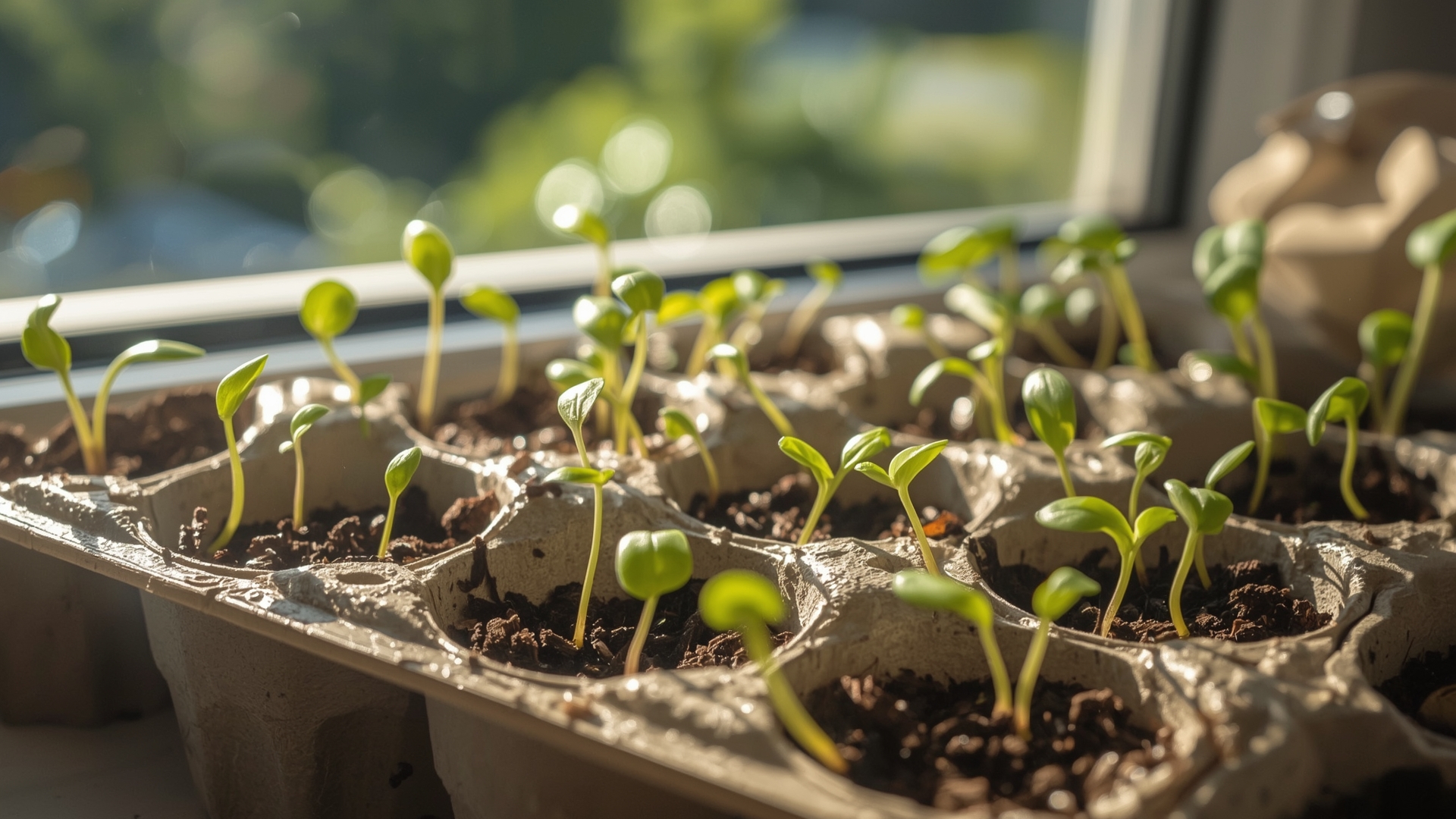
Quick Answer: Starting seeds indoors costs 60–80% less than buying transplants. One seed packet ($3–$5) produces 10–50 plants. You need a warm spot, basic seed-starting mix, and small containers — old yogurt cups and egg cartons work fine.
Seed starting is the single highest-impact cost-saving move in gardening. The math is straightforward: one packet of basil seeds ($3) yields 30–50 seedlings. Those same 30 transplants at a garden center would cost $60–$150.
What Do You Need to Start Seeds?
You don’t need a fancy setup. Seeds need warmth, moisture, and light. A sunny south-facing window works for many varieties. If your light is weak, a basic shop light with fluorescent or LED bulbs placed 2–4 inches above seedlings will do the job for about $25–$40.
Avoid premium “seed starting kits” sold at garden centers. They’re often overpriced for what they include. Use what you already have: egg cartons, yogurt cups, newspaper pots, or small plastic containers from food packaging. Poke a drainage hole in the bottom and fill with seed-starting mix (a fine-textured growing medium that drains well — different from regular potting soil).
Best Vegetables to Start from Seed
Some plants don’t tolerate transplanting and should be direct-sown (planted straight into the ground). Others start easily indoors and transplant well.
| Crop | Seed Packet Cost | Plants Per Packet | Weeks Before Last Frost | Difficulty |
|---|---|---|---|---|
| Tomato | $3–$5 | 20–30 seeds | 6–8 weeks | Easy |
| Pepper | $3–$5 | 15–25 seeds | 8–10 weeks | Easy |
| Basil | $2–$4 | 50–100 seeds | 4–6 weeks | Very Easy |
| Broccoli | $3–$4 | 30–50 seeds | 4–6 weeks | Easy |
| Lettuce | $2–$3 | 200–500 seeds | 2–4 weeks | Very Easy |
| Sunflower | $2–$4 | 25–50 seeds | Direct sow after frost | Very Easy |
What Is a Plant Swap and How Do You Find One?
Quick Answer: A plant swap is a free community event where gardeners exchange divisions, seedlings, bulbs, and cuttings. You bring plants to trade and take home others. Local garden clubs, neighborhood Facebook groups, and libraries host swaps every spring and fall.
Plant swaps are one of the most underused budget gardening tools available. They’re especially valuable for perennials — plants that come back every year — which can cost $8–$20 each at a nursery but cost nothing at a swap.
Where to Find Plant Swaps Near You
- Facebook Groups: Search “[your city] plant swap” or “Buy Nothing [your neighborhood]” — free plant sharing is extremely common in these groups.
- Local garden clubs: Most host spring and fall swaps open to the public. Search “garden club” plus your county name.
- Libraries: Many public libraries host seed libraries (free seed borrowing) and seasonal plant swaps.
- Nextdoor app: Neighbors post surplus seedlings, divisions, and bulbs regularly, often for free pickup.
- Community gardens: Members often share divisions when they divide overcrowded perennials.
What to Bring to a Plant Swap
Bring anything you have in excess. Overcrowded hostas, self-seeding annuals (plants that drop seeds and grow back each year), herb divisions, or extra seedlings you started indoors all make great swap items. Label each plant clearly with its name and sun/shade requirements. Organized, labeled plants get taken first.
How Do You Divide Perennials to Get Free Plants?
Quick Answer: Dividing perennials means digging up a clump, splitting it into 2–4 smaller sections, and replanting them. You get multiple free plants from one. Divide in early spring or fall when plants are not actively blooming. Most perennials benefit from division every 3–5 years.
Perennial division is essentially free plant multiplication. You don’t need to buy anything — just a shovel and a willingness to dig.
Which Perennials Are Easiest to Divide?
| Plant | Best Division Time | Plants Per Division | Nursery Cost (Each) | Division Difficulty |
|---|---|---|---|---|
| Hosta | Early spring | 4–8 per clump | $8–$25 | Easy |
| Daylily | Spring or fall | 6–12 per clump | $6–$15 | Easy |
| Black-eyed Susan | Early spring | 3–6 per clump | $5–$12 | Very Easy |
| Coneflower (Echinacea) | Spring or fall | 2–4 per clump | $8–$18 | Easy |
| Ornamental grass | Early spring | 3–5 per clump | $10–$30 | Moderate |
| Sedum (stonecrop) | Spring | 4–8 per clump | $6–$14 | Very Easy |
How to Actually Divide a Plant
- Water the plant thoroughly the day before dividing. Moist soil makes digging easier and reduces root damage.
- Dig around the entire clump with a garden fork or shovel, staying 4–6 inches from the crown (the base where stems meet roots).
- Lift the entire clump out of the ground and set it on flat ground or a tarp.
- Use a sharp spade, knife, or two garden forks back-to-back to split the clump into sections. Each section needs both roots and green growth.
- Replant divisions immediately. Water them in well and keep the soil moist for two weeks while they establish.
When Are the Best Times to Buy Plants at a Discount?
Quick Answer: End-of-season sales at garden centers run from mid-July through September. Discounts reach 50–75% off. Plants are often root-bound but still viable. Fall is especially good for perennials, shrubs, and trees, which establish well in cooler soil before winter.
Timing your plant purchases is one of the easiest ways to cut costs. Garden centers discount heavily to move inventory before the season ends. The plants aren’t dying — they’re just past their peak display window for retail.
End-of-Season Sale Calendar
| Sale Period | Typical Discount | Best Plant Types to Buy | What to Check Before Buying |
|---|---|---|---|
| Mid-July | 25–40% off | Annuals, summer perennials | Root health, pest damage |
| August | 40–60% off | Perennials, ornamental grasses | Root-bound status, disease signs |
| September | 50–75% off | Shrubs, trees, spring bulbs | Root structure, stem integrity |
| October (clearance) | 60–80% off | Perennials, spring-blooming shrubs | Live roots present, no rot |
How to Evaluate a Discounted Plant
Tip the plant out of its pot before you buy, if the store allows it. Look for healthy white or tan roots that fill the pot but aren’t circling tightly around themselves. Avoid plants with brown, mushy, or completely pot-bound roots. A stressed plant with healthy roots will recover. A plant with rotted roots won’t.
How Can Cooperative Extension Services Help You Garden for Free?
Quick Answer: Cooperative extension offices are government-funded resources at land-grant universities in every U.S. state. They offer free soil testing ($10–$20 at most), free planting guides for your specific region, and expert Master Gardener advice — all at no cost or very low cost.
Cooperative extension is one of the most valuable free resources most gardeners have never heard of. Every U.S. state has an extension service tied to its land-grant university. Their advice is research-based and specific to your local climate, soil types, and pest pressures.
What Cooperative Extension Offers Gardeners
- Soil testing: Send a soil sample and receive a full report on pH, nutrient levels, and specific amendment recommendations. Cost: $0–$20 depending on state.
- Planting calendars: Free downloadable guides showing exactly when to plant each crop in your county based on average frost dates.
- Pest and disease ID: Submit photos of plant problems online or in person. Get a diagnosis and organic or low-cost treatment options for free.
- Master Gardener hotlines: Trained volunteer experts answer gardening questions by phone, email, or in person at garden clinics.
- Free publications: Extension offices publish hundreds of research-backed guides on every topic from composting to vegetable gardening.
To find your extension office, search “[your state] cooperative extension” or visit the USDA’s extension locator. Every county in the U.S. has one.
How Do You Build Healthy Soil Without Spending a Lot?
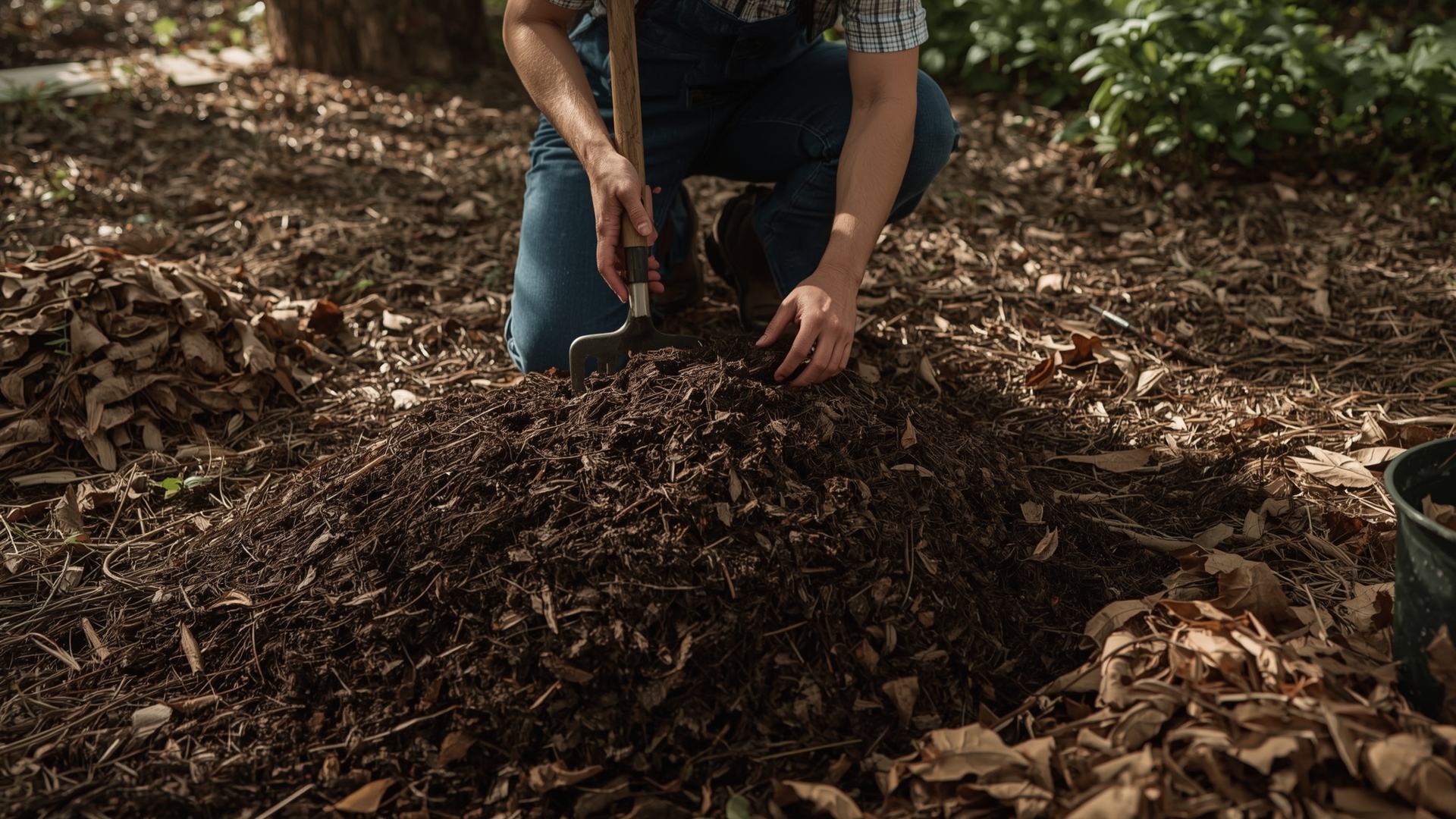
Quick Answer: Compost is the most cost-effective soil builder available. You can make it free from kitchen scraps and yard waste. Municipal compost programs offer free or low-cost finished compost. Good soil reduces fertilizer needs and improves water retention, cutting long-term costs significantly.
Soil quality determines how well your garden grows. Poor soil leads to weak plants, more pests, and higher spending on fertilizers and replacements. Investing in soil early pays dividends every season after.
Free and Low-Cost Soil Building Options
- Home composting: Kitchen scraps (vegetable peels, coffee grounds, eggshells) and yard waste (leaves, grass clippings) break down into finished compost in 2–6 months. The bin can be a simple pile or a $20 wire enclosure. Cost: $0–$30.
- Municipal compost programs: Many cities offer free finished compost pickup or delivery for residents. Check your city’s public works or parks department website.
- Leaf mold: Pile fallen leaves in a corner of your yard. They decompose into a rich, crumbly soil amendment in 6–12 months. Completely free.
- Wood chip mulch: Many tree service companies deliver fresh wood chips for free. Spread them 3–4 inches deep in garden beds to suppress weeds and build soil as they break down. Search “free wood chips” on ChipDrop.com.
- Coffee grounds: Local coffee shops often give away spent grounds for free. Mix into compost or apply directly to beds as a slow nitrogen source.
What Tools Do You Actually Need to Start a Garden?
Quick Answer: A beginner garden needs five tools: a trowel, a hand cultivator, a watering can or hose with an adjustable nozzle, a pair of gloves, and a garden fork or spade. Total cost for basic-quality versions: $30–$60. Everything else can wait.
New gardeners are often sold on complete tool sets they’ll rarely use. A focused starter kit covers 95% of real garden tasks without the clutter or cost.
Starter Tool Budget Breakdown
| Tool | Primary Function | Budget Option Cost | Priority Level |
|---|---|---|---|
| Hand trowel | Planting, transplanting | $5–$12 | Essential |
| Garden fork or spade | Digging, turning soil | $15–$30 | Essential |
| Watering can or hose nozzle | Watering seedlings, beds | $8–$20 | Essential |
| Gloves | Hand protection | $5–$10 | Essential |
| Hand cultivator (claw) | Weeding, loosening soil | $5–$12 | Essential |
| Kneeling pad | Comfort while planting | $8–$15 | Helpful but optional |
| Hori-hori knife | Weeding, dividing, planting | $15–$30 | Second-year upgrade |
Check thrift stores, garage sales, and Facebook Marketplace for used tools. Quality older tools with metal heads and wooden handles often outlast new plastic-handle versions sold cheaply at big box stores.
How Do You Decide Where to Start When Space and Money Are Limited?
Quick Answer: Start with one 4×8 ft raised bed or four to six containers. This keeps soil costs under $80, tool needs minimal, and the learning curve manageable. Focus on high-yield crops first: lettuce, herbs, tomatoes, and zucchini deliver the most food per dollar spent.
A smaller, well-managed garden outperforms a large neglected one every time. Starting small lets you learn, succeed, and expand with confidence next season.
High-Value Crops for a Budget Garden
Focus on crops where homegrown savings outweigh the cost of growing them. Herbs like basil and parsley cost $3–$5 per bunch at the store. One basil plant produces for months. Lettuce, salad greens, and cherry tomatoes also deliver exceptional value relative to their growing cost.
Reclaimed Containers and Beds
You don’t need to buy raised bed kits. Food-grade buckets (5-gallon), old wooden pallets lined with landscape fabric, stock tanks, galvanized tubs, and large nursery containers all make functional growing spaces. Avoid containers that previously held chemicals, motor oil, or non-food-safe materials.
How Can You Reduce Watering Costs in a Budget Garden?
Quick Answer: Mulching your beds 2–3 inches deep cuts watering frequency by 30–50% by slowing evaporation. Collecting rainwater in a barrel (cost: $30–$80 or free from some municipalities) offsets tap water use. Watering at the base of plants, not overhead, reduces waste significantly.
Water is an ongoing cost — both in dollars and time. A few simple habits dramatically cut how much water your garden needs.
Low-Cost Water Conservation Methods
- Mulch: Apply 2–3 inches of straw, wood chips, or shredded leaves around plants. This keeps moisture in the soil, reducing how often you need to water.
- Rain barrel: Collect runoff from a downspout. A 50-gallon barrel fills quickly during rain and provides free water for dry stretches. Some municipalities offer subsidized or free rain barrels to residents.
- Water in the morning: Morning watering reduces evaporation loss compared to midday watering. Soil absorbs more of what you apply.
- Group plants by water need: Placing drought-tolerant plants together and water-hungry plants together makes watering more efficient and prevents overwatering or underwatering.
What Free Online Resources Exist for Budget Gardeners?
Quick Answer: The best free gardening resources include cooperative extension websites, seed library networks at public libraries, the USDA plant hardiness zone map, local Buy Nothing groups, and gardening forums like Reddit’s r/vegetablegardening — all completely free and community-driven.
Free Resources Worth Bookmarking
- Cooperative extension websites: State-specific planting guides, pest ID tools, and soil testing instructions. Search “[your state] extension gardening.”
- Seed libraries: Public libraries in thousands of cities offer free seed borrowing. Return seeds at the end of the season if you want — many libraries don’t even require it.
- USDA Plant Hardiness Zone Map: Free tool to identify your zone and understand which plants survive your winters.
- Local Master Gardener programs: Free clinics, plant sales, and advice sessions run by trained volunteers in most counties.
- r/vegetablegardening and r/frugalgardening: Active Reddit communities where gardeners share tips, troubleshoot problems, and give away seeds.
Frequently Asked Questions
How much does it cost to start a garden from scratch?
A basic starter garden — one 4×8 ft bed with seeds, bulk soil, and essential tools — can cost as little as $75–$150. Buying transplants, bagged soil, and a full tool set can push that to $300–$500 or more. Starting seeds and sourcing bulk materials makes the biggest difference.
Can you garden for free using only donated or swapped plants?
You can come very close. Plant swaps, seed libraries, perennial divisions from neighbors, and municipal compost programs can cover most of what you need. You’ll likely still spend a small amount on soil or a few tools, but a full garden for under $20 is realistic with community resources.
What is a seed library and how does it work?
A seed library is typically hosted by a public library and offers free seed packets for borrowers to take home and plant. Some programs ask you to return seeds saved from your harvest. Others simply give seeds away. Search “[your city] seed library” to find one nearby.
Is it cheaper to grow vegetables or buy them from the store?
For high-value crops like fresh herbs, cherry tomatoes, lettuce, and peppers, growing your own is significantly cheaper per serving. Crops like sweet corn or large pumpkins are often cheaper to buy. Focus your garden on crops that cost the most per unit at the grocery store for maximum savings.
When should you divide hostas and other perennials to get the most plants?
Divide hostas in early spring just as the shoots emerge from the ground — before the leaves fully unfurl. This timing minimizes stress on the plant and gives divisions a full growing season to establish. One mature hosta clump can produce 4–8 viable divisions in a single session.
What is the difference between annual and perennial plants for a budget garden?
Annual plants complete their life cycle in one season and must be replanted each year. Perennials come back year after year from the same roots. For a budget garden, perennials are a better long-term investment — you pay once and the plant returns. Annuals make sense for vegetables and some flowers where you want seasonal variety.