A perennial garden looks effortless when it’s thriving. But behind that ease is a simple truth: timing matters more than anything else. Plant at the wrong time, and even the hardiest perennial struggles. Get the timing right, and your garden rewards you with blooms from March through November with very little effort.
This guide walks you through every season, from late winter prep through fall cutback, so you always know exactly what to do and when to do it. Whether you’re managing an established bed or starting fresh, this calendar gives you a clear action plan for every month of the growing year.
Key Takeaways
- Spring is your most active season. Most planting, dividing, and soil prep happens between March and May.
- Summer care focuses on deadheading and watering, not planting. Heat stress is the biggest threat to perennials in June through August.
- Fall is the second-best planting window. Soil is still warm, roots establish before winter, and spring blooms arrive on schedule.
- Dividing perennials every 3 to 5 years keeps them healthy, expands your garden, and restores bloom quality.
- A bloom sequence plan ensures continuous color by layering early, mid, and late-season perennials in the same bed.
- Fertilizing at the right time matters more than fertilizing often. Two targeted applications per year outperform monthly feeding.
What Is a Perennial Garden Planting Calendar and Why Do You Need One?
Quick Answer: A perennial garden planting calendar organizes tasks like planting, dividing, pruning, and fertilizing by season. It helps you time each action to match the plant’s growth cycle, which leads to stronger roots, better blooms, and less maintenance overall.
Perennials (plants that return year after year) have clear growth phases. They emerge, grow, bloom, set seed, and go dormant in a predictable rhythm. Working with that rhythm is the whole point of a seasonal calendar.
Without a calendar, most gardeners react instead of plan. They fertilize too late, divide too early, or plant during heat waves. The result is stressed plants, poor blooms, and unnecessary replacements.
A season-by-season plan removes the guesswork. You know what to do before you walk into the garden.
What Should You Do in the Perennial Garden During Late Winter (February to Early March)?
Quick Answer: In late winter, focus on planning and light prep. Order plants and seeds, clear dead foliage left standing through winter, add a thin layer of compost to beds, and mark any gaps in your bloom sequence before growth begins.
Planning Your Bloom Sequence Before the Season Starts
Late winter is the best time to look at last year’s garden critically. Which months had full color? Which had bare patches? Mapping your existing perennials by bloom month reveals the gaps before the growing season distracts you.
A strong perennial bed includes plants from three groups: early bloomers (April to May), mid-season bloomers (June to July), and late bloomers (August to October). Aim for at least two plants from each group in every 10-foot section of your border.
Clearing Winter-Standing Stems
Many gardeners leave stems and seed heads standing through winter. This provides wildlife habitat and insulation for the crown (the growing point at soil level). By late February, it’s time to cut them back before new growth pushes up.
Cut stems to 2 to 3 inches above the ground. Do not pull or yank, as this can disturb the crown. Use clean bypass pruners to avoid spreading disease between plants.
What Perennial Tasks Should You Complete in Early Spring (March to April)?
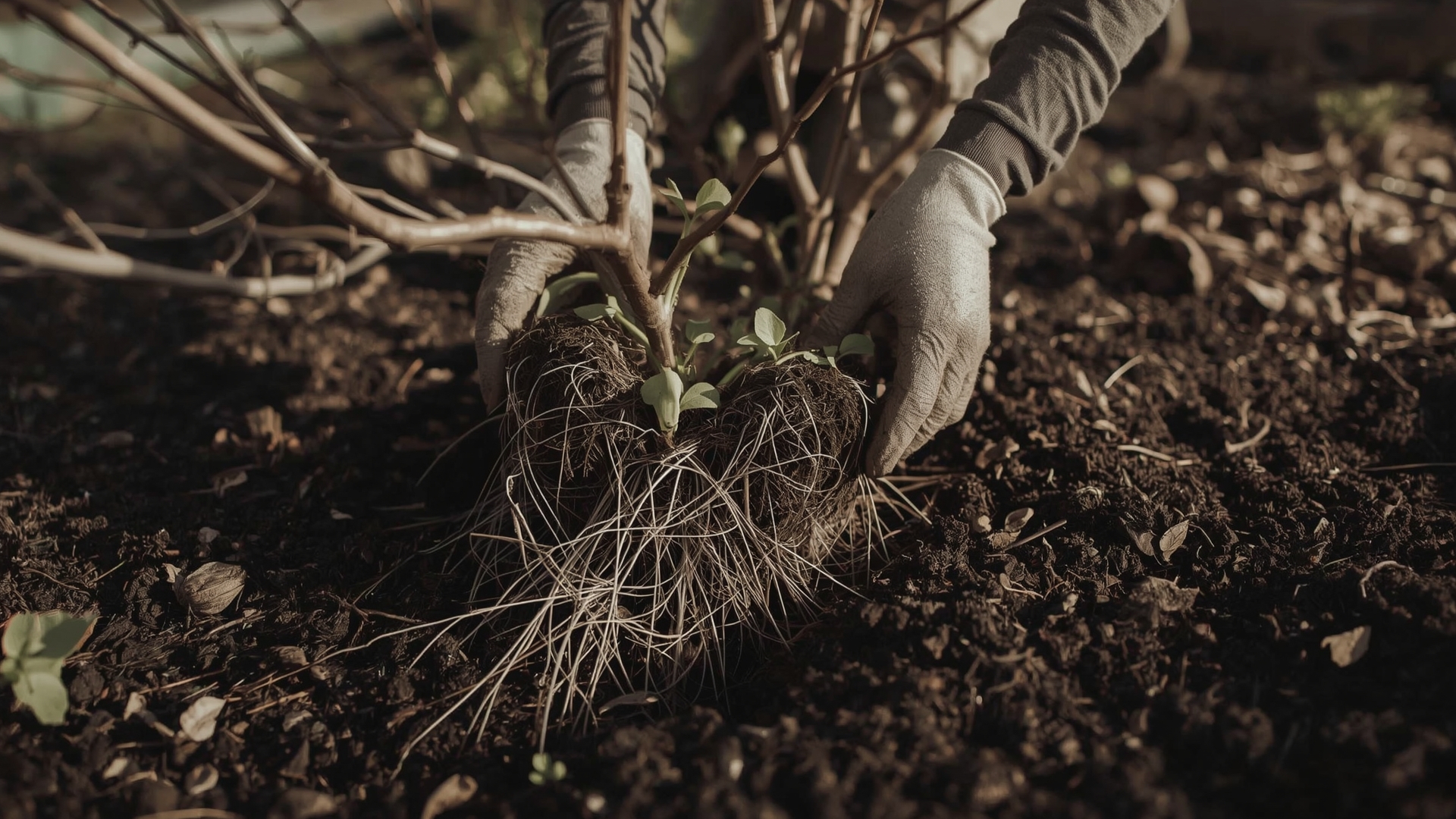
Quick Answer: Early spring tasks include adding compost to beds, applying pre-emergent mulch, planting bare-root perennials, and starting the first round of divisions on fast-spreading clumps. Soil temperature of 45°F or above signals it’s safe to begin working the beds.
Amending Soil in Early Spring
Before plants fully emerge, spread 1 to 2 inches of finished compost across the bed. Work it lightly into the top few inches of soil. This adds organic matter, improves drainage, and feeds soil biology without disturbing root systems.
Avoid tilling deeply in established perennial beds. Most perennial roots run shallow in the top 6 inches. Deep tillage cuts roots and brings weed seeds to the surface.
Planting Bare-Root Perennials in Spring
Bare-root perennials arrive in early spring as dormant roots with no soil attached. Popular examples include peonies, hostas, daylilies, and astilbe. Plant them as soon as they arrive or within a few days of receiving them.
Set the crown (the point where roots meet stem) at or just below soil level. Planting too deep causes crown rot. Water thoroughly after planting and keep the soil consistently moist for the first three weeks.
Dividing Overcrowded Perennials in Spring
Early spring is the best time to divide most perennials. The goal is to dig up the clump, split it into sections, and replant. Each division should have 3 to 5 healthy shoots and an intact root section.
Spring division works best for summer and fall bloomers like black-eyed Susan, coneflower, sedum, and ornamental grasses. Avoid dividing spring bloomers (like bleeding heart or primrose) while they’re actively growing. Wait until they finish blooming instead.
| Perennial | Best Division Time | Division Frequency | Signs It Needs Dividing | Replant Depth |
|---|---|---|---|---|
| Black-eyed Susan (Rudbeckia) | Early spring | Every 3 years | Dead center, reduced blooms | Crown at soil level |
| Hosta | Early spring | Every 4 to 5 years | Crowded clump, small leaves | 1 inch below surface |
| Daylily (Hemerocallis) | Spring or fall | Every 3 to 4 years | Fewer blooms, tangled roots | Crown at soil level |
| Coneflower (Echinacea) | Early spring | Every 4 years | Sparse center, weak stems | Crown at soil level |
| Ornamental Grass | Early spring | Every 5 to 7 years | Dead center, slow growth | Match original depth |
| Astilbe | Early spring | Every 3 to 4 years | Elevated crown, dry center | Crown just below surface |
What Perennials Should You Plant in Late Spring (May)?
Quick Answer: May is the prime window for planting container-grown perennials. Soil is warm, frost risk has passed in most zones, and plants have the full growing season to establish roots. Focus on mid-season and fall bloomers so they’re well-rooted before peak summer heat.
Choosing Perennials for Mid and Late Season Color
If you plant in May, target perennials that bloom in July through October. They’ll spend the spring establishing roots, then deliver color right when early bloomers fade. Good choices include coneflower, black-eyed Susan, bee balm, sedum ‘Autumn Joy’, rudbeckia, and ornamental sage.
Avoid planting heat-sensitive perennials like primrose or bleeding heart in May. They prefer cool conditions and should go in the ground earlier in spring or wait until fall.
Spacing and Planting Depth
Most perennials need 18 to 24 inches of spacing to reach full size without crowding. Plant at the same depth the plant sat in its container. Planting too deep is one of the most common causes of perennial failure, especially for peonies and irises, which need their crowns near the surface to bloom.
Spring Fertilizing Schedule
Apply a balanced, slow-release fertilizer (10-10-10) when perennials show 4 to 6 inches of new growth, usually in April or May depending on your zone. One application at this stage feeds the plant through its main growth push without triggering soft, leggy stems from too much nitrogen.
| USDA Zone | Last Frost Date (Avg) | Bare-Root Planting Window | Container Planting Window | First Fertilizer Application |
|---|---|---|---|---|
| Zone 5 | May 15 | Mid-March to April | Mid-May onward | Early May |
| Zone 6 | April 15 | Late March to April | Late April onward | Mid-April |
| Zone 7 | April 5 | Early March to April | Early April onward | Early April |
| Zone 8 | March 15 | Late February to March | Mid-March onward | Late March |
| Zone 9 | February 15 | February to March | Early March onward | Late February |
How Do You Maintain a Perennial Garden Through Summer (June to August)?
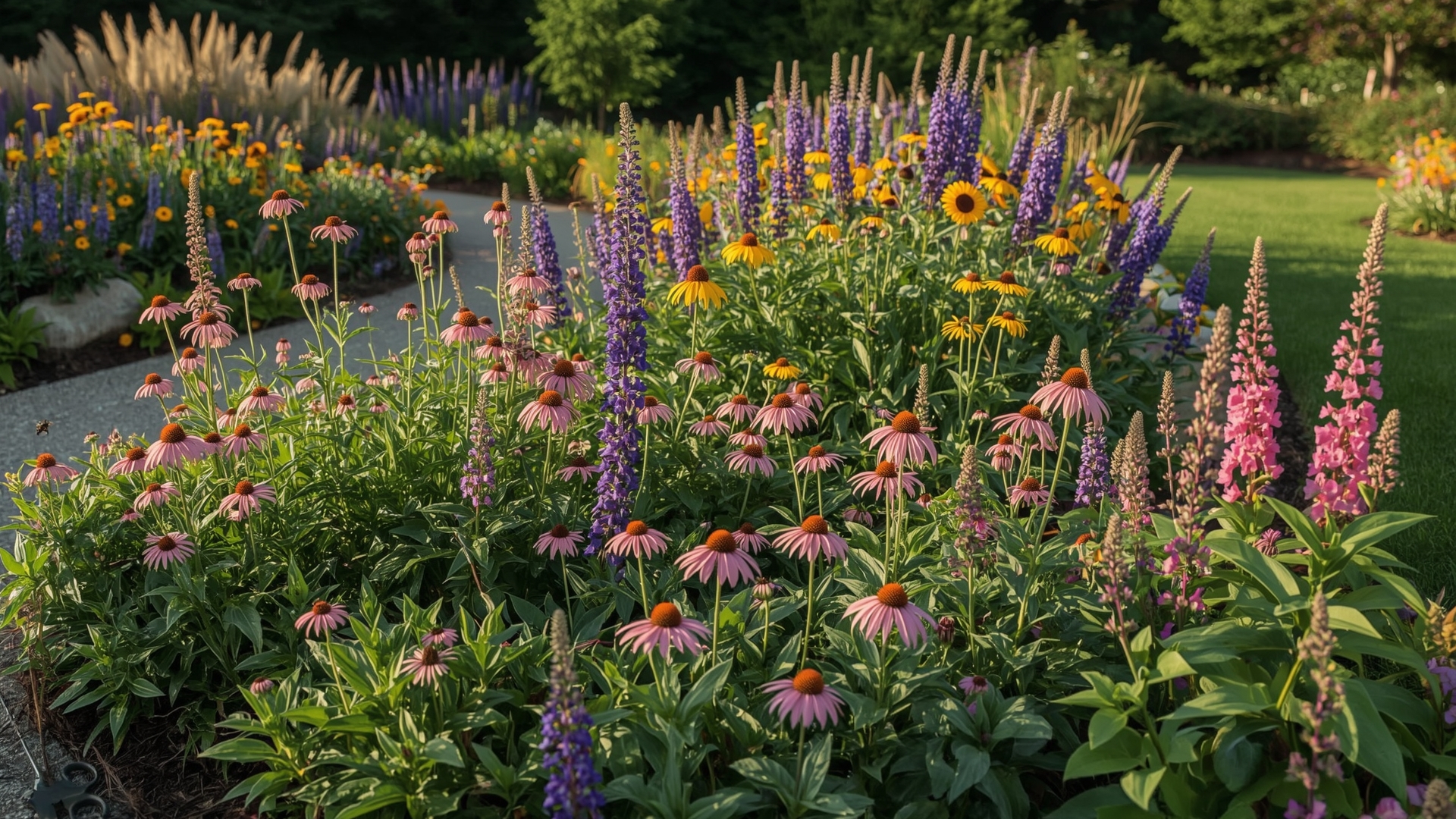
Quick Answer: Summer perennial care focuses on deadheading spent blooms, consistent deep watering every 5 to 7 days, staking tall varieties before they flop, and watching for pest or disease pressure. Avoid fertilizing after July 1st, as it pushes tender growth that won’t harden before frost.
Deadheading for Extended Bloom Time
Deadheading means removing spent flowers before they set seed. This redirects the plant’s energy from seed production back into root growth and repeat blooming. Many perennials, including coneflower, bee balm, salvia, and catmint, will rebloom if deadheaded consistently.
Cut the spent flower stem back to the nearest leaf node or lateral bud. For plants like black-eyed Susan, you can leave some seed heads for birds and deadhead others to encourage reblooming.
Watering Perennials in Summer Heat
Most established perennials need 1 inch of water per week. During heat waves above 90°F, increase to 1.5 inches. Water at the base of the plant, not overhead. Wet foliage in summer heat promotes fungal diseases like powdery mildew.
Water deeply and less often rather than shallowly every day. One deep watering (soaking the top 6 to 8 inches of soil) every 5 to 7 days encourages deep root growth and drought tolerance. Shallow watering trains roots to stay near the surface, where they’re vulnerable to heat and drying.
Staking Tall Perennials Before They Flop
Tall perennials like delphinium, tall phlox, and peony need support before they fall over. Stake them early, when stems reach 12 to 18 inches. Staking after a plant flops rarely restores its natural shape. Use peony cages, bamboo stakes with soft ties, or grow-through ring supports placed over the clump in early spring.
Recognizing Summer Pest Pressure
Summer brings the most pest activity. Check plants weekly for aphids (soft clusters on new growth), Japanese beetles (skeletonized leaves), and slugs (irregular holes, usually on hostas). Early detection lets you address problems before they spread.
| Problem | Affected Plants | Symptom | Organic Response | Timing |
|---|---|---|---|---|
| Powdery mildew | Phlox, bee balm, monarda | White powdery coating on leaves | Baking soda spray, improve airflow | Mid-summer |
| Aphids | Salvia, echinacea, rudbeckia | Sticky residue, curled leaves | Strong water spray, insecticidal soap | June to July |
| Japanese beetles | Roses, coneflower, phlox | Lacy, skeletonized foliage | Hand-pick in morning, neem oil | Late June to August |
| Slugs | Hosta, astilbe, pulmonaria | Ragged holes, slime trails | Iron phosphate bait, reduce moisture | June to August |
| Crown rot | Any overwatered perennial | Wilting despite wet soil, mushy base | Improve drainage, remove affected plant | Summer |
What Perennial Tasks Are Most Important in Early Fall (September to October)?
Quick Answer: Fall is the second-best planting season for perennials. Soil stays warm while air temperatures cool, which is ideal for root development without heat stress. September and October are also the best months to divide spring-blooming perennials and plant bulbs for early spring color.
Planting Perennials in Fall for Spring Payoff
Fall-planted perennials have a distinct advantage: they establish roots during the cool months and emerge earlier and stronger the following spring. Aim to plant at least 6 weeks before your average first hard frost (soil below 32°F). This gives roots time to establish before dormancy.
Good fall planting candidates include coneflower, coreopsis, salvia, yarrow, rudbeckia, and ornamental grasses. Avoid planting marginally hardy perennials in fall unless you can mulch heavily and they’re rated two zones hardier than your location.
Dividing Spring Bloomers in Fall
Spring-blooming perennials like iris, phlox, and catmint are best divided in fall, after they’ve finished their growth cycle. Dig the clump, separate it into sections with a sharp spade or knife, and replant at the original depth. Water in thoroughly and mulch around the division to protect new root growth through winter.
Cutting Back vs. Leaving Perennials Standing
Not all perennials should be cut back in fall. Some provide winter interest, wildlife habitat, or self-seeding that extends your garden. Here’s how to decide:
- Cut back in fall: Peonies, hostas, bee balm, and any plant with mildew or disease. Remove all foliage to reduce overwintering disease pressure.
- Leave standing through winter: Coneflower, black-eyed Susan, ornamental grasses, rudbeckia, and sedum. These provide seed for birds and structure in the winter landscape.
- Cut back in late winter: Ornamental grasses are best cut back in late February or early March, just before new growth emerges from the base.
Applying Fall Mulch to Protect Roots
After the ground freezes, apply 2 to 3 inches of shredded bark or straw mulch over the beds. The goal is to keep the soil temperature stable through freeze-thaw cycles, not to keep the ground warm. Apply mulch after the first hard freeze, not before, to avoid trapping rodents and crown rot under the mulch.
| Month | Primary Task | Secondary Task | What to Plant | What to Divide |
|---|---|---|---|---|
| September | Plant container perennials | Cut back disease-prone foliage | Coneflower, coreopsis, yarrow | Iris, catmint |
| October | Divide spring bloomers | Apply pre-freeze compost | Ornamental grasses, salvia | Phlox, daylily |
| November | Apply winter mulch | Plant spring bulbs (tulips, daffodils) | Spring bulbs only | None recommended |
How Do You Prepare a Perennial Garden for Winter (November to December)?
Quick Answer: Winter prep for perennials includes cutting back disease-prone plants, leaving seed heads for wildlife, mulching after the first hard freeze, and marking your plants’ locations so you don’t accidentally dig them in spring. No watering or feeding is needed once plants go dormant.
Marking Plant Locations Before Snow Covers Everything
One of the most practical winter tasks is marking where your perennials are. Many perennials go completely dormant and leave no above-ground trace. A simple label or small stake at each clump prevents you from disturbing crowns while doing spring soil work or installing new plants.
Watering Before Ground Freeze
Give all perennials, especially newly planted fall divisions, a deep watering before the ground freezes. This ensures roots enter dormancy with adequate moisture. In dry falls (less than 1 inch of rain per week in September and October), water every 10 to 14 days until the first hard freeze.
What Does a Year-Round Perennial Bloom Calendar Look Like?
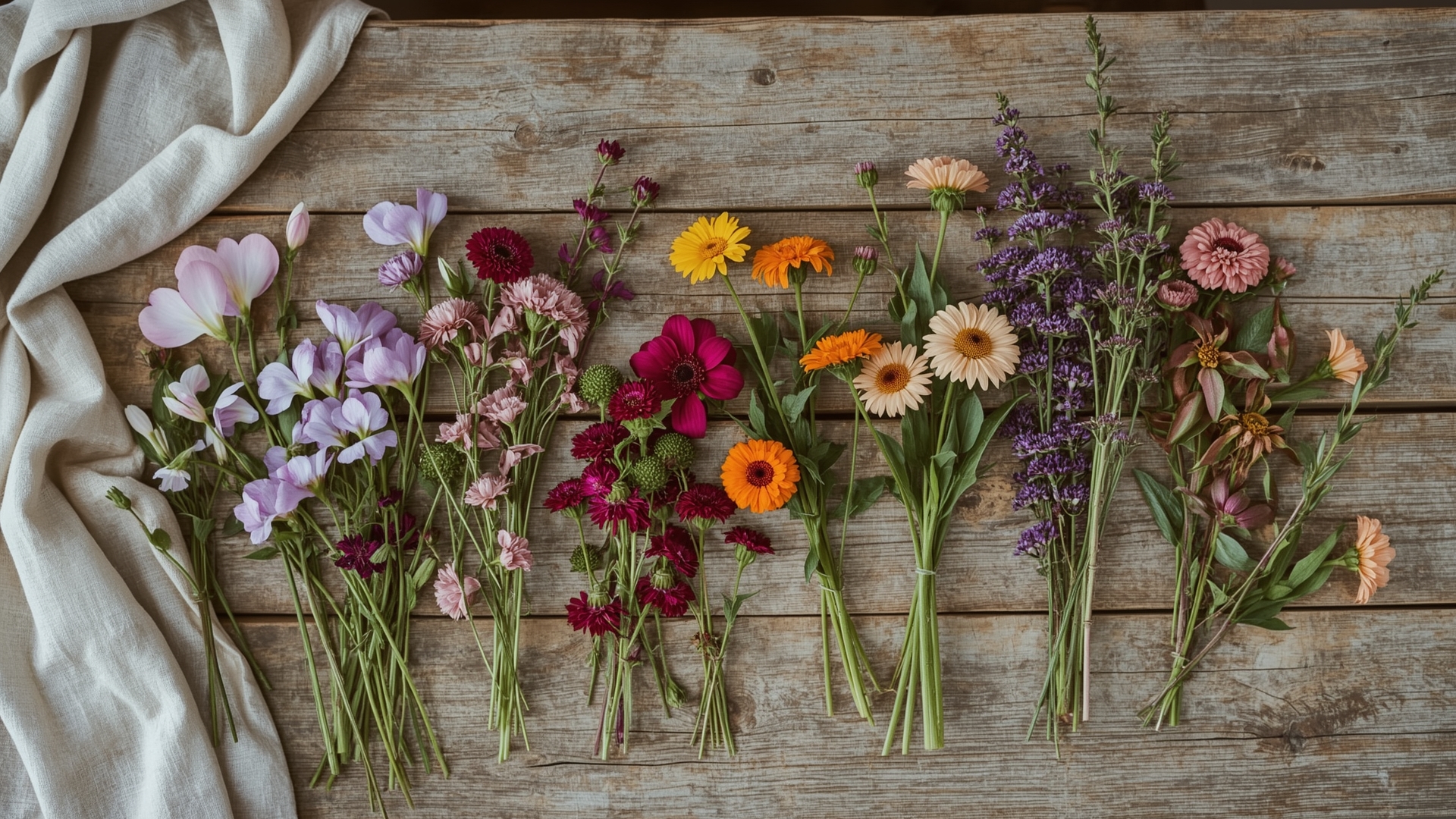
Quick Answer: A year-round perennial bloom calendar staggers plants by bloom time across three seasons: early (April to May), mid-season (June to July), and late (August to October). Layering these groups in the same bed creates continuous color with no bloom gaps from spring to frost.
Building a Three-Season Bloom Plan
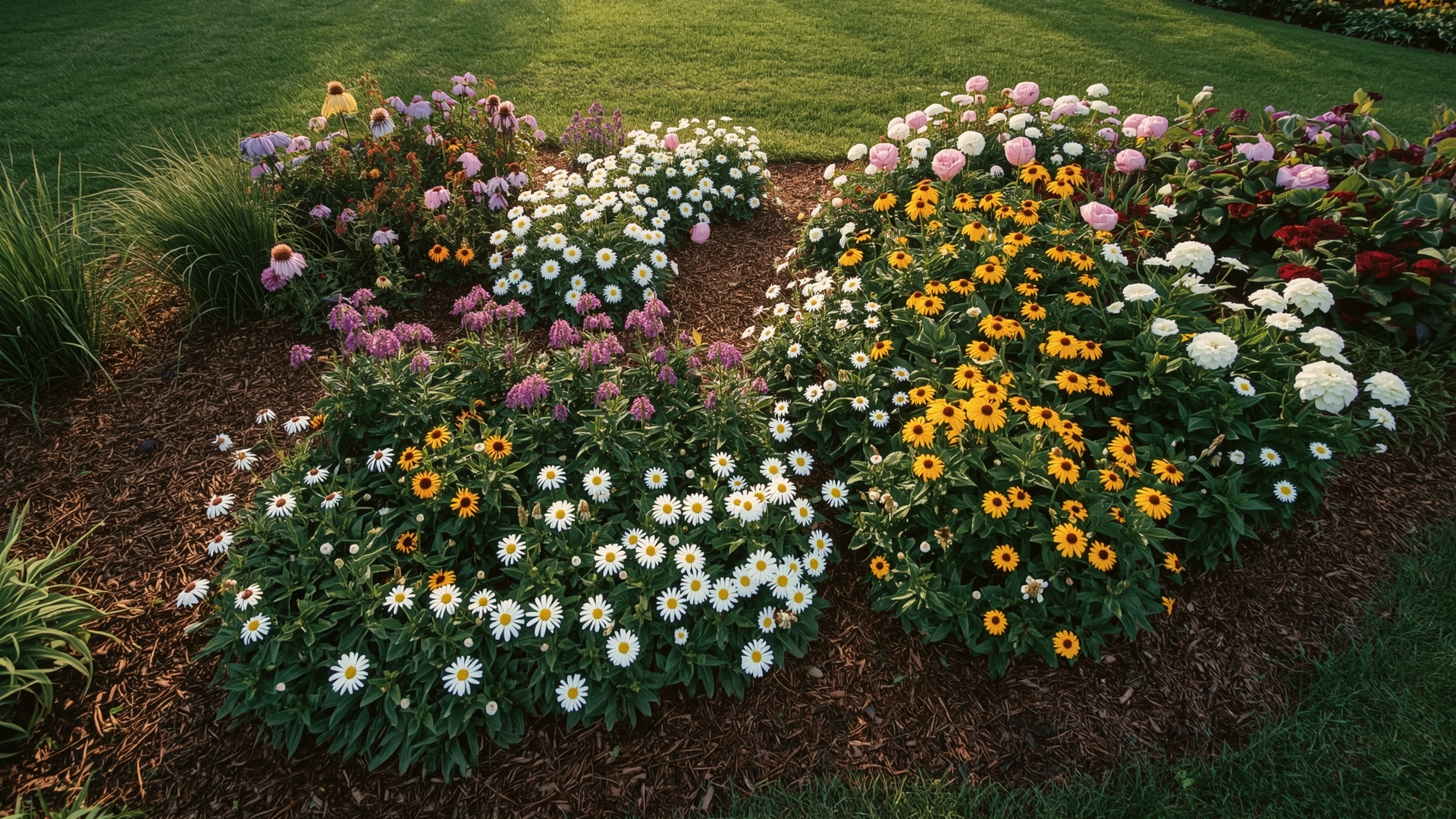
The goal is to ensure that as one plant finishes, another begins. Plan each bed with a minimum of three bloom windows represented. This is called a bloom sequence, and it’s the core design strategy behind any perennial garden that looks good all season.
| Bloom Season | Perennial | Bloom Months | Height | Sun Requirement |
|---|---|---|---|---|
| Early Spring | Bleeding Heart (Dicentra) | April to May | 18 to 24 inches | Part shade |
| Early Spring | Creeping Phlox | April to May | 4 to 6 inches | Full sun |
| Late Spring | Peony (Paeonia) | May to June | 24 to 36 inches | Full sun |
| Early Summer | Salvia (Salvia nemorosa) | June to July | 18 to 24 inches | Full sun |
| Mid Summer | Coneflower (Echinacea purpurea) | July to September | 24 to 36 inches | Full sun |
| Late Summer | Black-eyed Susan (Rudbeckia) | August to October | 24 to 30 inches | Full sun |
| Fall | Sedum ‘Autumn Joy’ | September to October | 18 to 24 inches | Full sun |
| Fall | Aster (Symphyotrichum) | September to November | 24 to 48 inches | Full sun |
How Often Should You Fertilize Perennials and When?
Quick Answer: Fertilize perennials twice per year: once in spring when new growth reaches 4 to 6 inches, and optionally a second time in early June. Use a balanced slow-release granular fertilizer (10-10-10). Stop all fertilizing by July 1st to avoid pushing soft growth before winter.
Matching Fertilizer Type to Perennial Needs
Most perennials are not heavy feeders. A single spring application of 10-10-10 slow-release granular fertilizer covers most of their nutritional needs. Overfeeding, especially with high-nitrogen fertilizers, causes lush leafy growth at the expense of flowers and makes stems weak and floppy.
For perennials in poor or sandy soil, a second application in early June (before the summer heat sets in) adds support without pushing vulnerable late-season growth. Perennials in rich, compost-amended beds often need no supplemental fertilizer at all.
Plants That Prefer Low-Fertility Conditions
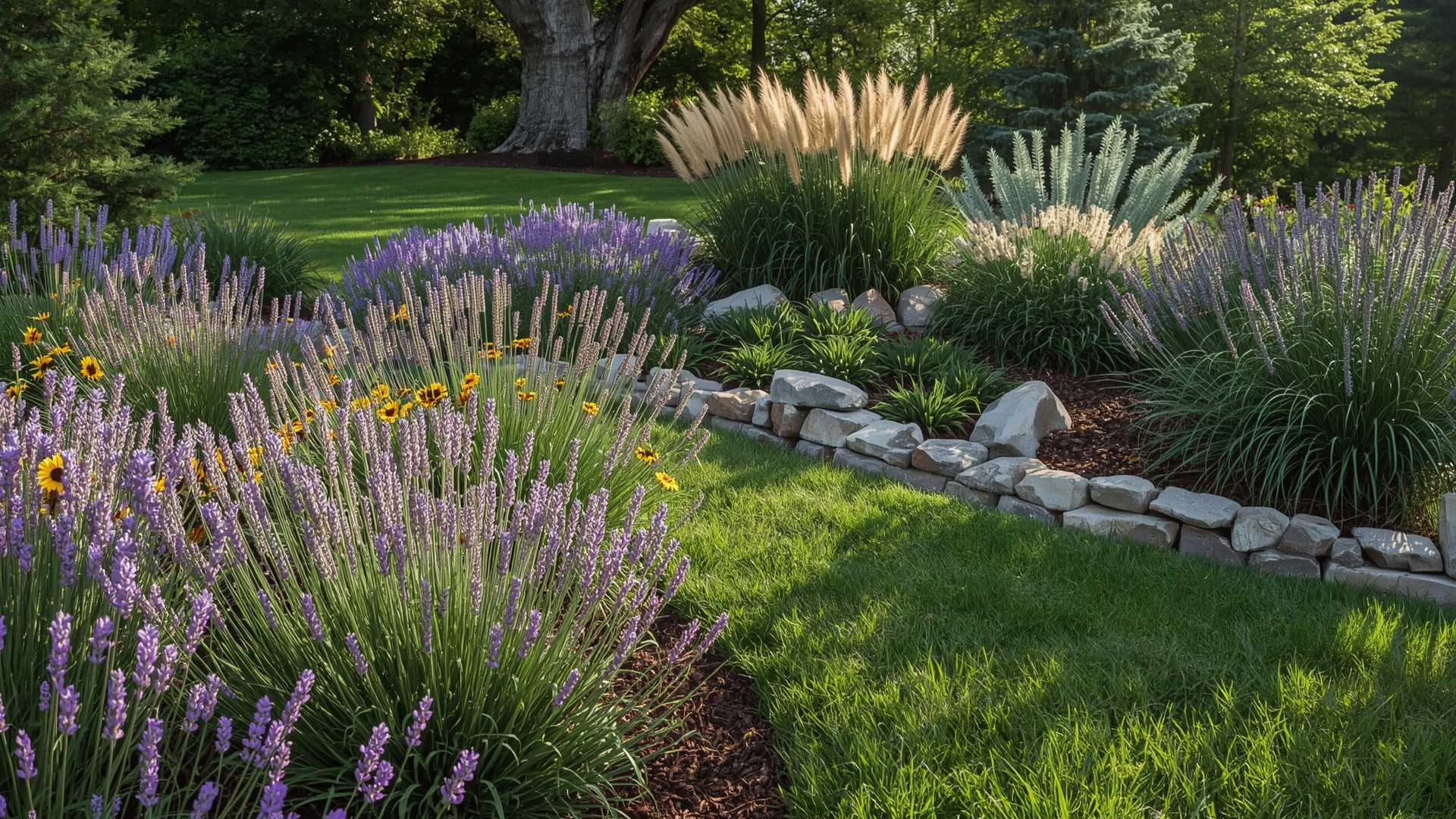
Some perennials actually perform worse when fertilized. These plants evolved in lean soils and respond to extra nutrients with excessive foliage and poor flowering. Skip fertilizer entirely for lavender, yarrow, catmint, sedum, rudbeckia, and coreopsis. These thrive in average to low-fertility soil with good drainage.
What Are the Most Common Perennial Garden Timing Mistakes?
Quick Answer: The most common timing mistakes include dividing perennials while they’re in active bloom, fertilizing after July, planting tender perennials too close to frost dates, and cutting back ornamental grasses in fall instead of late winter. Each error disrupts the plant’s natural growth cycle.
Dividing at the Wrong Time
Dividing a plant while it’s actively blooming puts enormous stress on the root system. The plant is directing all energy above ground. Dividing at this point causes wilting, root damage, and often plant death. The rule: divide in the season opposite to bloom. Spring bloomers get divided in fall. Fall bloomers get divided in spring.
Cutting Ornamental Grasses at the Wrong Time
Cutting ornamental grasses in fall removes the insulating crown of foliage that protects new growth through winter. Wait until late February or early March, when you can see fresh green shoots beginning at the base. Then cut the old growth down to 3 to 4 inches above the soil. Cut too early and you may damage the new crown.
Planting Too Late in Fall
Planting perennials less than 4 weeks before a hard frost gives roots almost no time to establish. The plant enters winter with loose, unestablished roots that can literally be heaved out of the ground by freeze-thaw cycles. This is called frost heave, and it’s the leading cause of fall-planted perennial failure. Plant by September 30th in Zones 5 and 6, or by October 15th in Zones 7 and 8.
Frequently Asked Questions
Can you plant perennials in the summer?
Yes, but summer planting is risky without extra care. Container-grown perennials can go in the ground in June, but they need consistent watering every 2 to 3 days until established. Avoid planting during heat waves above 85°F. Morning planting and temporary shade cloth help reduce transplant shock significantly.
How deep should you plant perennial roots?
Most perennials should be planted at the same depth they were growing in their container. The crown (where roots meet stem) should sit right at or just below the soil surface. Planting too deep is a more common mistake than planting too shallow, and it’s a frequent cause of failed peonies and irises.
Do perennials need to be watered after they’re established?
Established perennials (in their second or third year) need much less water than newly planted ones. Most need about 1 inch of water per week during active growth. During drought or extreme heat, supplemental watering prevents stress. Drought-tolerant varieties like sedum, coneflower, and yarrow need even less once their roots are fully developed.
What happens if you skip dividing perennials?
Without division, many perennials develop a dead or sparse center while the outer edges remain active. This is called “donuting.” The plant produces fewer blooms, competes with itself for nutrients, and can eventually die out from the center. Dividing every 3 to 5 years restores vigor and multiplies your plants at no cost.
When should you add mulch to a perennial bed?
Add mulch in two key windows: spring, after the soil has warmed (to keep weeds down and retain moisture), and fall, after the first hard freeze (to protect roots from freeze-thaw cycles). Never apply mulch directly over the crown of a plant. Keep mulch 1 to 2 inches away from stems to prevent rot.
What is the difference between a perennial and an annual?
A perennial returns from the same root system each year, while an annual completes its entire life cycle in one growing season and must be replanted. Perennials take 1 to 2 years to fully establish but then require much less investment than replanting annuals every spring. Most perennial beds improve dramatically in their third and fourth years.